
Food security
African Voices
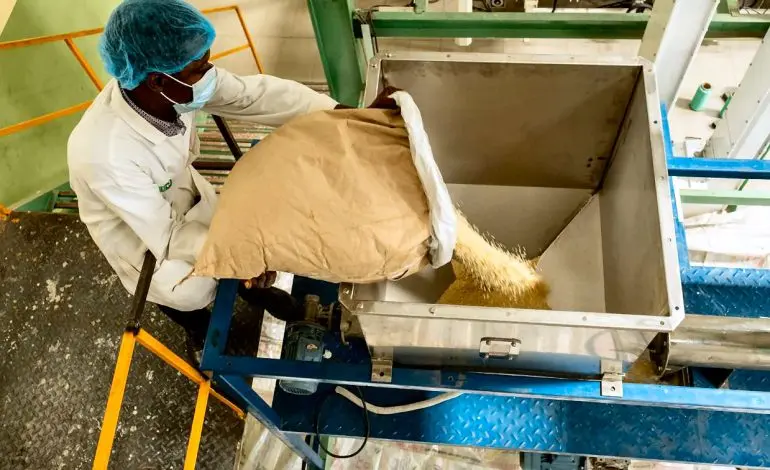
Agricultural production under pressure
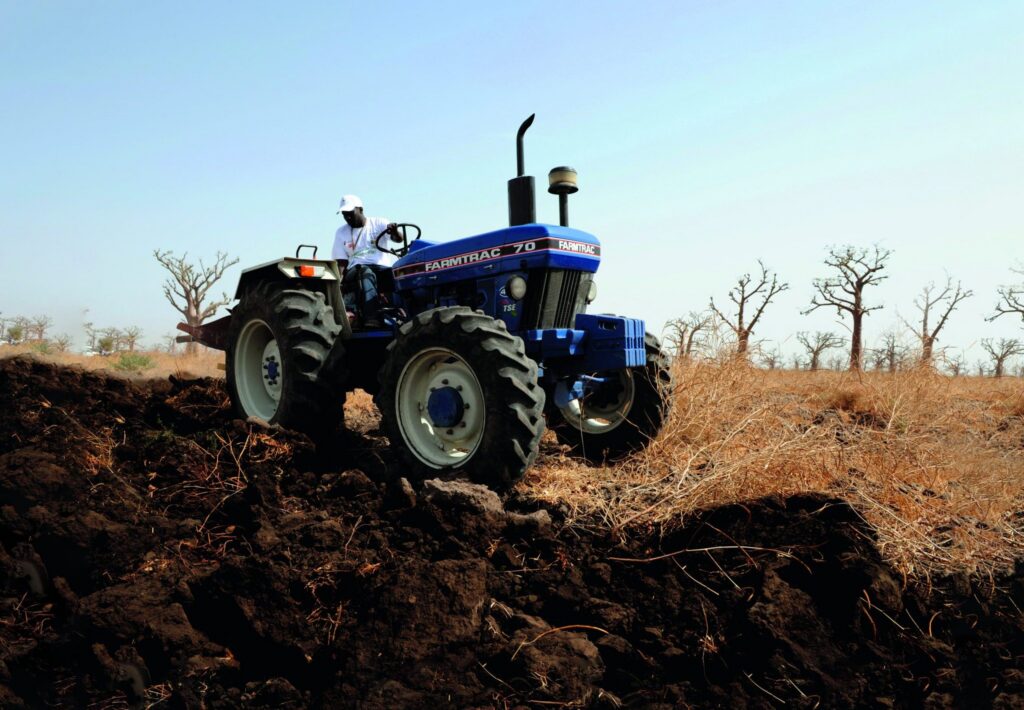
If the situation persists, a blockade of the Strait of Hormuz—a vital maritime corridor—could disrupt African agriculture. According to agricultural development specialist Chabi Yayi, this reliance raises concerns that extend beyond the current crisis.
By Chabi Yayi
· April 29, 2026
African Voices
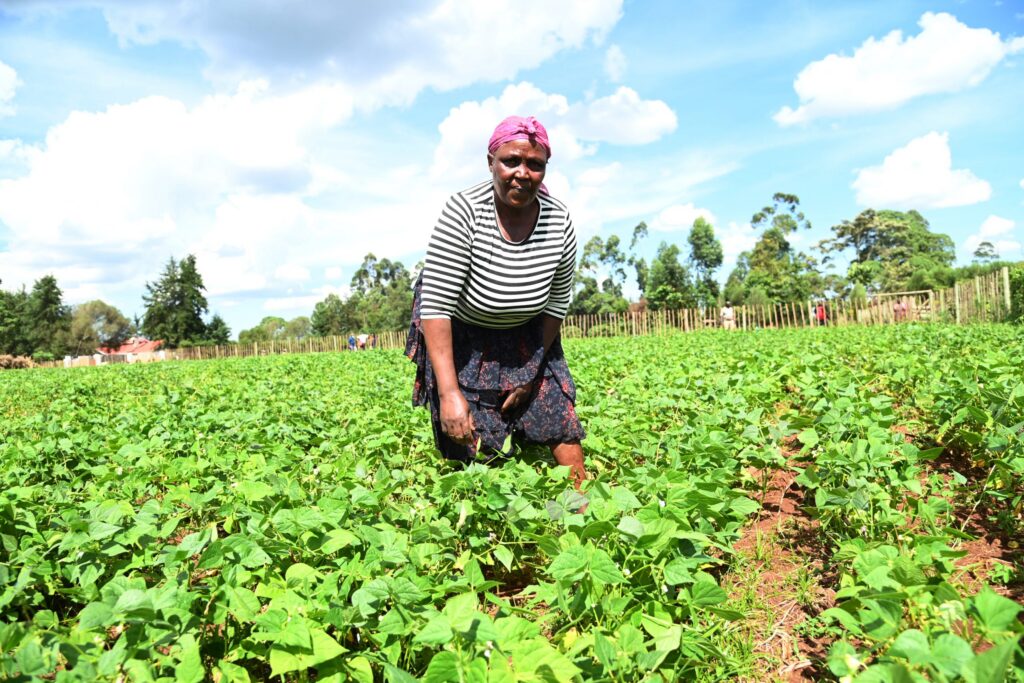
We cannot achieve SDGs without sustainable food systems – reflections from UNGA 2023
As the timeframe for implementation of the SDGs hits the halfway mark, steps being made towards food and agriculture-related targets have stagnated or reversed. Boaz Blackie Keizire offers some solutions.
By Boaz Blackie Keizire
· October 6, 2023
Economy
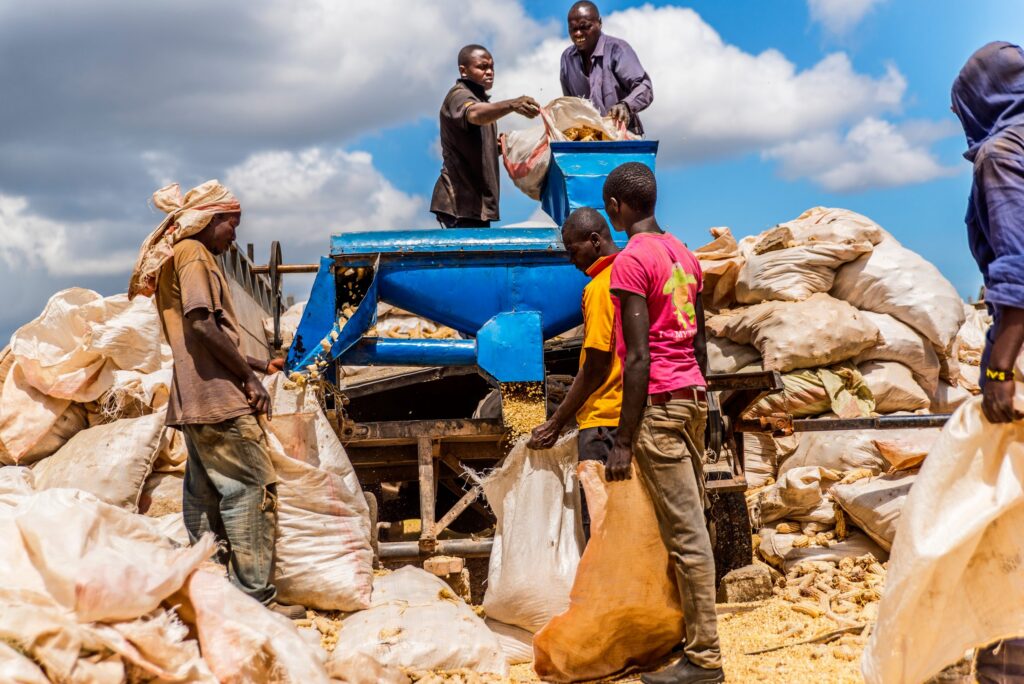
Private sector role vital for food security in Africa
Africa only trades a fraction of its food intra-regionally. This can change with the AfCFTA, which will enable the private sector to play a far greater and more beneficial role in the production and distribution of food. Neil Ford investigates.
By Neil Ford
· July 21, 2021
Health
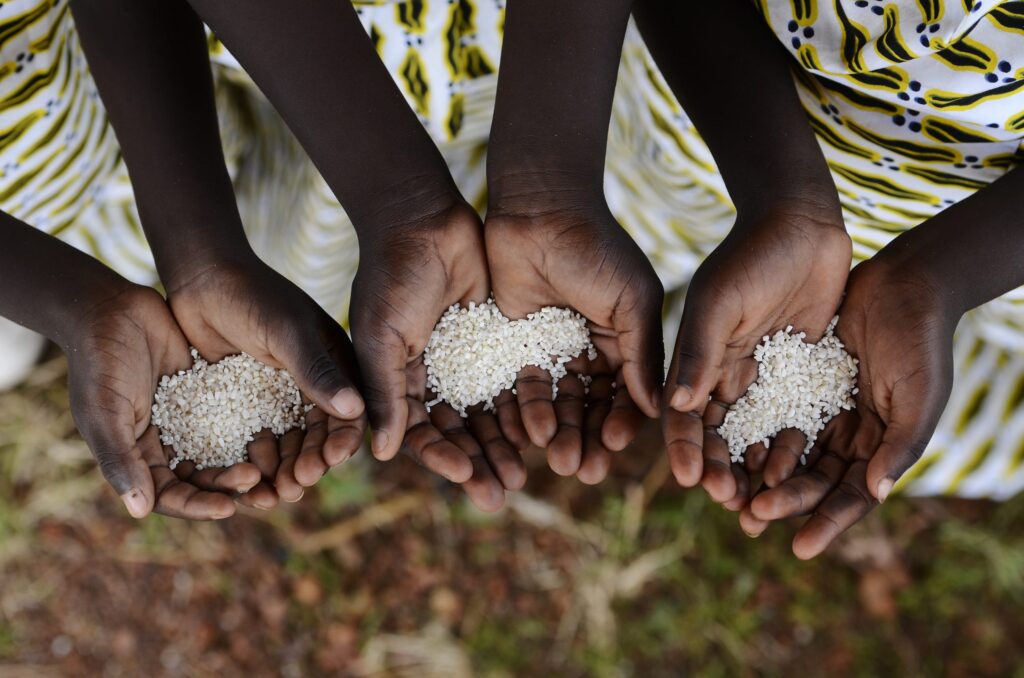
Small gains in Africa’s battle against malnutrition
Many African countries have made progress against malnutrition but the effects of lockdowns could erase the gains made so far. Neil Ford reports.
By Neil Ford
· July 14, 2021
Society
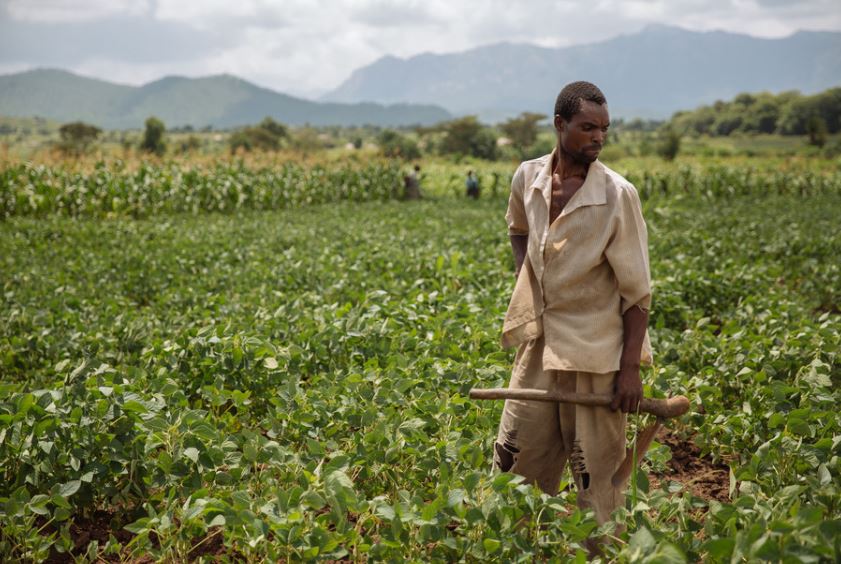
Food security in Africa: The menace of the ‘three Cs’
Covid, conflicts and climate change have caused a deterioration in food security over large parts of the continent in recent years. Neil Ford examines the solutions.
By Neil Ford
· April 28, 2021
African Voices
With sound policies, Africa can feed the world
In this op-ed Boaz Keizire, Head of policy and Advocacy at Alliance for Green Revolution for Africa (AGRA) and 2017 Aspen New Voices Fellow, details how only the right policies can truly drive agricultural transformation across the continent. It is nearly one century and a half since man achieved flight and 60 years since he […]
By New African
· February 22, 2019
Inside Africa
South Sudan: Escalating food crisis in 2017, FAO warns
Distributed by APO on behalf of Food and Agriculture Organization (FAO).

By Onyekachi Wambu
· November 6, 2016
Society
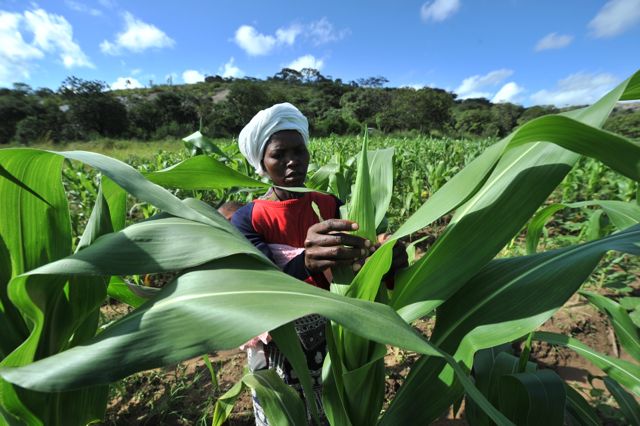
Corporate profits and Africa’s food security
Achieving food security and nutrition will remain a futile aim as long as the status quo of corporate profit dictates Africa’s systems.
By New African
· August 19, 2015
Innovation
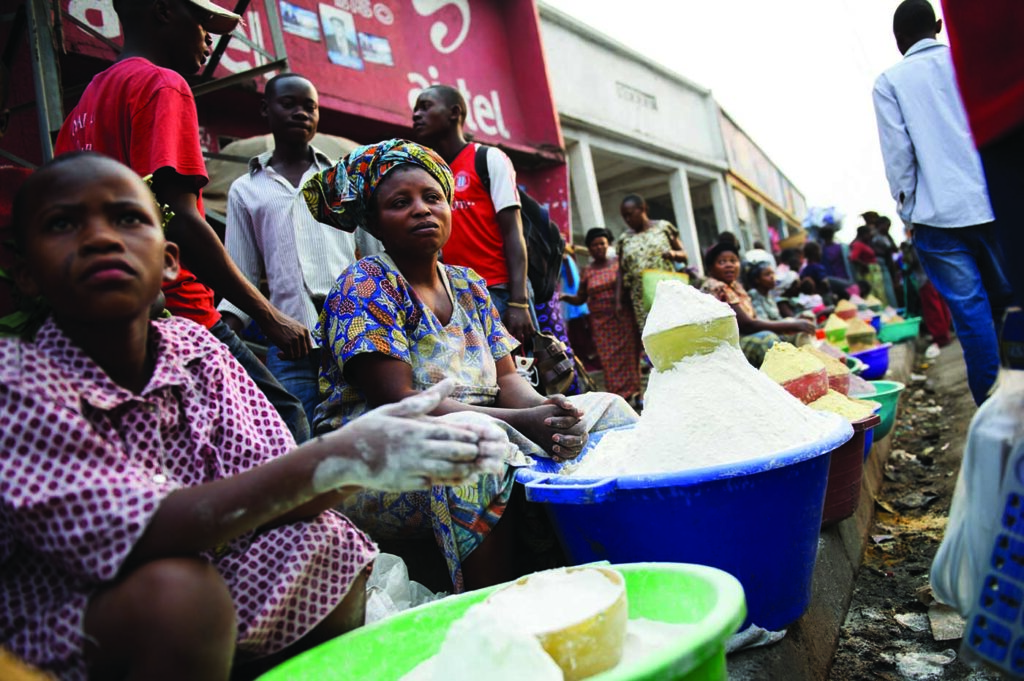
FARA: Innovation for social good
Rolling out proven technology and using ICT to link farmers, researchers and extension workers is at the core of FARA’s mission. Fara is the apex organisation for agricultural research in Africa and to facilitate the dissemination and adoption of technologies and best practices as they emerge from the research system. The organisation works with farmer […]
By NA Voice
· November 14, 2014

Interviews
FARA’s interview: Calestous Juma
The infrastructure around Africa’s domestic agricultural research and development has been neglected, and remains under-funded, says Calestous Juma, the Dr Martin Luther King, Jr Visiting Professor at the Massachusetts Institute of Technology and a world expert in the application of technology to development. “The colonial and post-colonial agricultural systems were constructed around national agricultural research […]
By NA Voice
· November 14, 2014

Interviews
FARA’s Interview: Yemi Akinbamijo
FARA’s Executive Director, Yemi Akinbamijo, explains that improving Africa’s food security and growing its agricultural economies will require a concerted effort to improve the continent’s scientific human capital and sustained investments in capacity building. In 1984, Yemi Akinbamijo used the last grant-funded bottle of silver chloride at the nutrition biochemistry laboratory of the Faculty of […]
By NA Voice
· November 14, 2014
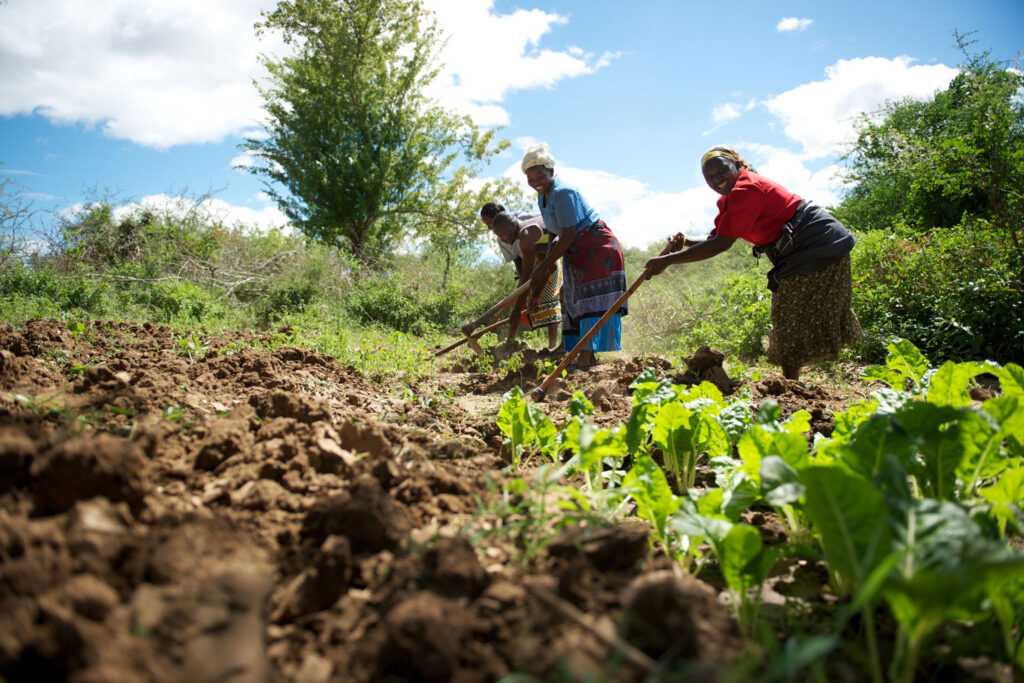
Economy
Nutrition in Africa: African leaders not sitting idle
To be fair, the African leadership and its so-called “development partners” (donor countries) have not been idle while the masses go hungry. Agriculture has been a target of many expert visions, analyses and policies but these are yet to bring real, tangible solutions. Recent statistics may have shown some improvements, but by and large, Africa’s food […]
By New African
· March 6, 2014
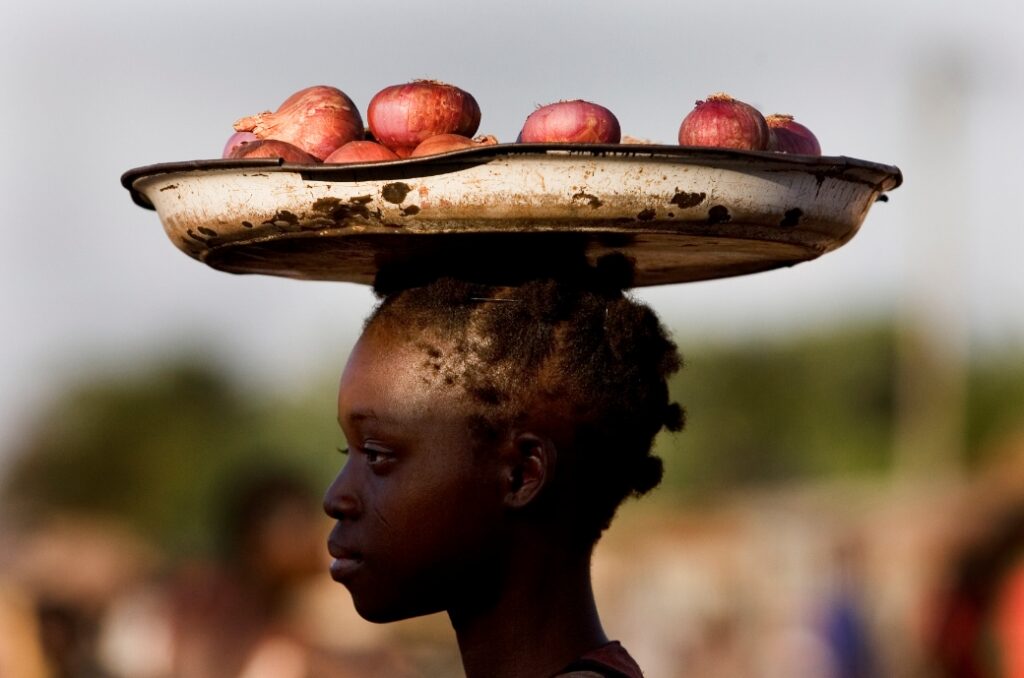
Health
Nutrition in Africa
While Africa continues to roll in positive optimism following over a decade of economic stability, consensus remains that without the ability to adequately and sustainably feed its people and maximise on its massive agricultural potential, the much hyped “Africa Rising” mantra will remain but empty words that mean nothing to the majority of those most […]
By New African
· March 6, 2014

Economy
The Way Forward: Prioritising Agriculture
The development prospects of Africa are intrinsically linked to the performance of the agricultural sector, and therefore, contrary to the prescriptions of the economic orthodoxy once called the “Washington Consensus”, African governments should get more actively involved in the agricultural sector, if the continent is to achieve overall development. In an unintended attack on the […]
By New African
· May 8, 2012