While Africa continues to roll in positive optimism following over a decade of economic stability, consensus remains that without the ability to adequately and sustainably feed its people and maximise on its massive agricultural potential, the much hyped “Africa Rising” mantra will remain but empty words that mean nothing to the majority of those most affected by hunger.
More than half of Africa’s population depends on agriculture for almost their entire livelihood. According to the African Union, feeding 1.5 billion Africans by 2030 and 2 billion by 2050 is a daunting challenge that Africa has to meet. But how?
Indeed “food insecurity” remains one of the most embedded causes of discontentment among the majority of Africa’s poor. For example, some analysts have suggested that rising food prices played a crucial role in fomenting the “Arab Spring” in North Africa.
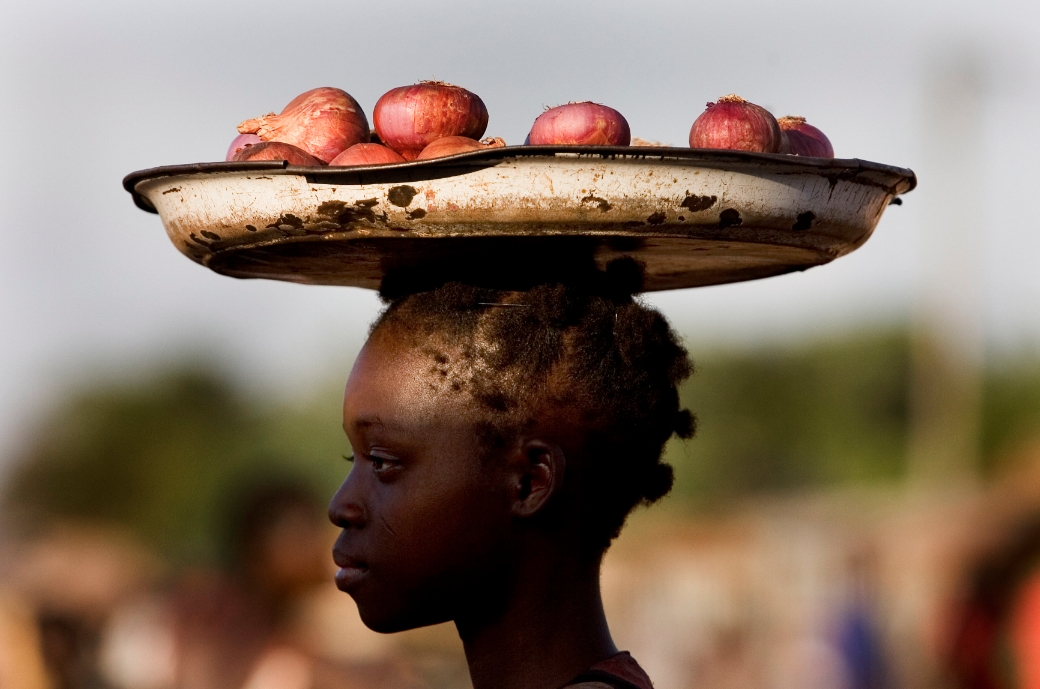
In Tunisia , the political revolution started with a food cart after the young street vendor Mohammed Bouazizi burned himself to death because the authorities got in the way of his means to put food on the table for his family.That singular act of self-immolation opened the springs that gushed through North Africa in 2010 and 2011, toppling some governments and long-established leaders from Tunisia, Egypt, Libya and beyond.
Food is key. And indeed, the AU admits that economic access to food has become a decisive factor in food insecurity.
For the poorest communities, whether rural or urban, food is their main expenditure item. This applies to all countries regardless of their level of economic and agricultural development. Food insecurity is first and foremost about poverty and inequalities.
Political crises can gradually plunge countries into structural food insecurity, while recurring droughts in some regions, such as the Sahel and the Horn of Africa, have contributed greatly to exacerbating food situations that were already fragile, according to findings by the AU.
However, the AU is also often criticised for lacking tangible actions and lasting solutions to many of these seemingly intractable problems. Its commissioner in charge of agriculture and rural development, Rhoda Peace Tumusiime, is the first to admit that Africa’s inability to adequately feed itself is deplorable, and that something concrete needs to be done beyond conferences and jargon-packed “expert” technical reports.
She tells New African: “It is unacceptable that a continent with so much potential [for agricultural production] could be home to the world’s largest number of the hungry and malnourished. The paradox is worsened by the fact that while agriculture has been starved of financing, Africa has been spending nearly $40bn annually importing food. This has to be reversed.”
Reversed, yes. But by who, and how? The journey to seek answers is incidentally where the complexity of Africa’s “Hunger Games” begins to disentangle.