In the village of Giampampo, on the eastern slopes of Mount Kenya, expectations are high. Leaders have announced a new road through the community, promising faster access to markets for farmers, jobs for young people, and opportunities for women to sell food, tea and other goods to workers.
Soon a contractor’s camp rises, and heavy machinery churns red dust along the old footpaths. The promised opportunities bring risks, too. A large workforce, unequal power relations and weak oversight can expose communities to exploitation and abuse, with heightened risks for women and girls.
Violence against women is not new to this community. Residents have heard of women beaten, girls exploited and cases that never reach a courtroom. As workers arrive, mothers and fathers worry that the project meant to improve their community could put their daughters at risk.
A road is not a success simply because it gets built. The immediate responsibility rests with governments, implementing companies and their contractors, but development finance institutions cannot step back and watch. Setting clear requirements, supervising compliance and acting when those requirements are not met is part of the work.
According to the World Health Organization, nearly one in three women worldwide, roughly 840 million, have experienced partner or sexual violence in their lifetime. That toll falls on every economy, every labour market and every community where development finance flows. Women’s safety is not a separate agenda. It is a condition of development that works.
That starts with how projects are designed. Before a construction site opens, institutions and implementing partners need to know who is most exposed to risk, whether women have been consulted directly, not through community leaders speaking on their behalf, and who is responsible for acting when abuse is reported. Someone officially named and accountable must hold that responsibility.
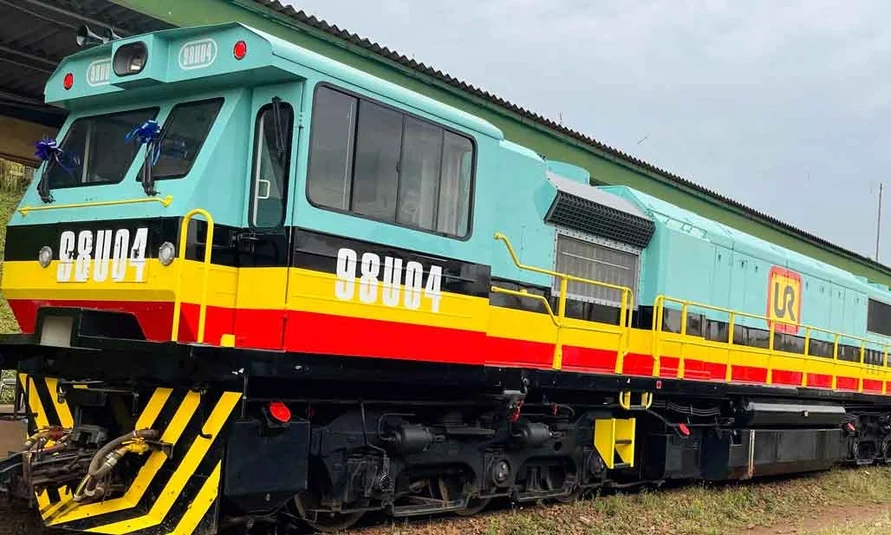
In Uganda, the Kampala–Malaba railway, backed by the African Development Bank Group (AfDB), built these commitments into its design. The Bank is providing $301 million of a project’s $412 million cost. According to the November 2022 Project Appraisal Report, the project requires at least 30 per cent women’s participation in jobs and training, as well as a gender-based violence one-stop centre and maternity facilities. These are not optional add-ons but conditions written into the project from the outset.
This standard should apply across the continent’s infrastructure ambitions.
Gender expertise identifies whose voices are missing from a project’s design. Safeguards expertise maps those risks onto concrete processes (assessment, mitigation, complaint, accountability). When the two work together, development institutions can protect the people most at risk before harm occurs.
Accountability requires more than paperwork and safeguards. It begins when a report triggers a safe, timely and effective response, when misconduct is investigated, survivors are protected from retaliation, and contractors who fail their obligations face real consequences. The Bank Group’s Integrated Safeguards System, in force since May 2024, sets out those requirements.
For a woman in Giampampo, the questions are practical: where can she report abuse, who will act, and what remedy is available? Project-level complaint channels offer a first step. The Bank Group’s Independent Recourse Mechanism lets people affected by an operation request redress or a review when they believe the institution has not followed its own policies. Neither replaces the police or the courts, which carry responsibility for criminal investigations and justice.
Many African countries have enacted laws on gender-based violence, as documented in the UN Women global database on violence against women. What they often lack are institutions capable of turning those laws into justice that actually reaches women. Development finance institutions can help governments build and sustain those systems. We must also acknowledge, plainly, where our own implementation falls short.
The road through Giampampo will be measured in kilometres paved, and markets opened. It must equally be measured by whether women and girls are safer, whether risks were addressed before harm occurred, and whether those who have reported abuse can obtain redress without fear.
Protection and accountability must remain in place long after the contractor’s camp has gone. Women’s opportunities should expand. So should their safety. Development that delivers one without the other is not yet finished.
Jemimah Micere Njuki is the Director, Gender, Women and Civil Society Department at the African Development Bank Group.
Issa Maman-Sani is the Director, Environmental and Social Safeguards Department at the African Development Bank Group.