New mining laws in DRC look set to retain greater wealth within the mineral-rich country, yet if President Kabila steps down in December as promised, moves to boost an ailing economy may be a little too late, casting suspicion on his motives. Analysis by Tom Collins.
Mbuji-Mayi, the capital city of Kasai-Oriental Province, in south-central DRC, is a city literally built on diamonds. The surrounding area is one of the richest sources of mineral wealth in the world and at one point the city produced 80% of the world’s industrial diamonds and 57% of all diamonds.
The city, however, is characterised by dilapidated infrastructure and a chronic lack of social services, and echoes the sad fact that very little of the country’s vast natural wealth makes its way back into socio-economic advancements on the ground.
The DRC’s diamond industry is now a shadow of what it once was, exports dropping from 33m carats of gems in 2005 to 17.1m in 2015.
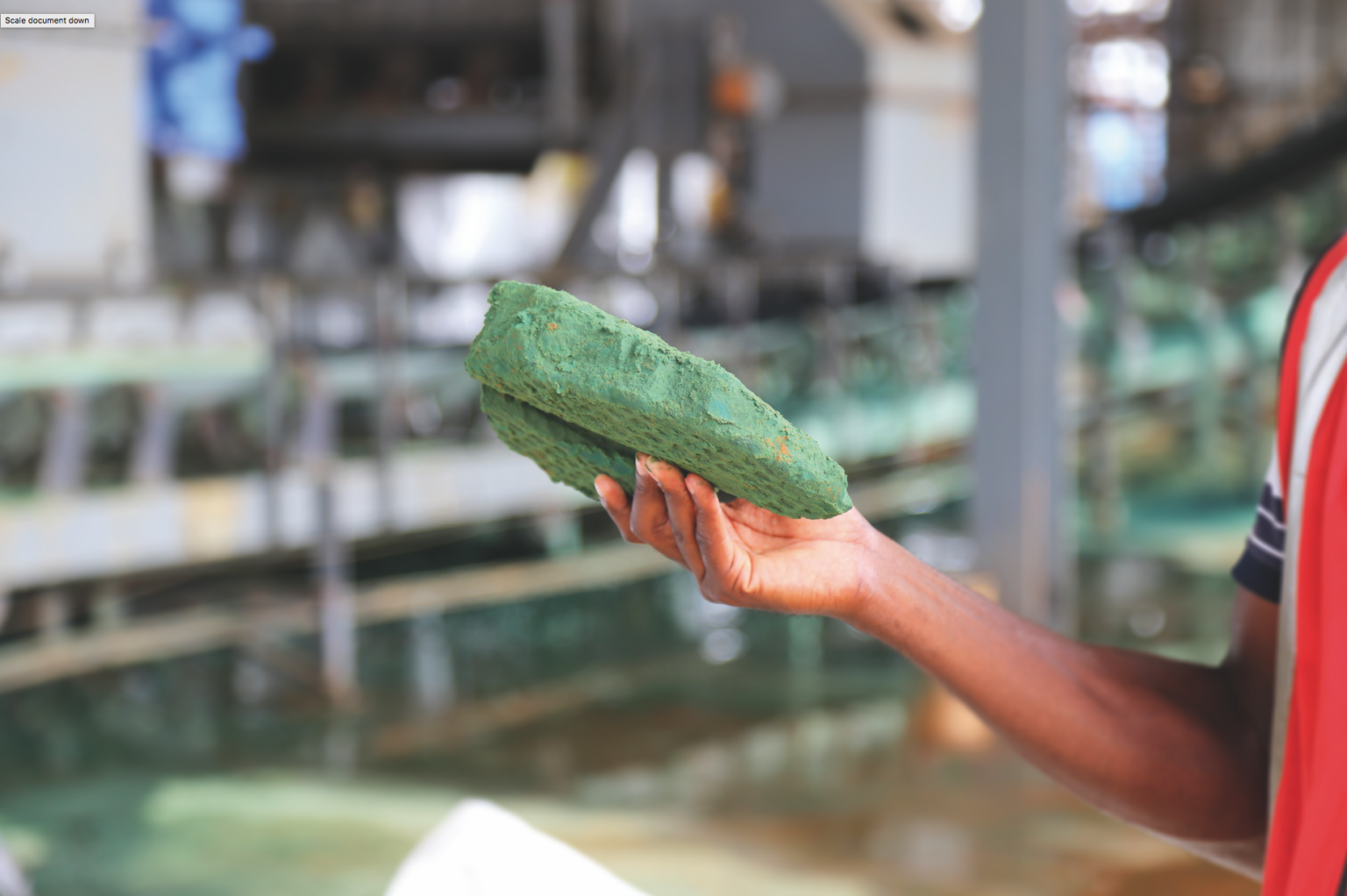
A change in consumer trends has given rise to a new commodity scramble in which investors are seeking to extract more profitable materials like copper, cobalt, coltan and gold. Cobalt, a mineral used in batteries for high-tech products, from iPhones to electric cars, has nearly tripled in price in the last two years and as the DRC produced two-thirds of the coveted metal last year, it stands to reason there should be some domestic gains.
Rejig in miner-government relations
Research by the International Council on Mining and Metals points to the importance of strong public sector institutions in ensuring mining wealth catalyses development.
As the cobalt uptick strengthens, President Joseph Kabila’s recent ratification of a mining law which imposes greater royalties on precious and ‘strategic’ metals, and introduces tax hikes across the board, suggests the President is interested in not repeating mistakes made during the diamond days.
The new mining code is a revision of a 2002 law, which was designed to attract international investment through tax breaks and customs exemptions, after the Second Congo War.
Gécamines, the state-owned mining company, has been particularly critical of the old law, saying: “It is now clear that the generous provisions of the mining code of 2002 do not allow the DRC to fully benefit from its abundant natural resources.”
Royalties on non-ferrous metals were previously as little as 2%. Now, after designating cobalt as a ‘strategic’ metal, royalties are raised to as much as 10%. The bill also introduces a 50% ‘super-profits’ tax if commodity prices rise faster than expected. Still, this is no indication that royalty money will be used for inclusive growth in DRC, only that there has been a rejig in relations between international mining companies and the government.
Miners react
Senior representatives of Randgold, AngloGold and Glencore – major London-listed mining firms in the DRC – all met personally with Kabila in a six-hour meeting to dissuade him from ratification of the law, which required only the President’s signature after being approved by the National Assembly and Senate in January.
Kabila passed the law regardless, releasing a statement saying: “Miners’ concerns will be taken into account through a constructive dialogue with the government after the promulgation of the new mining law.”
Ivanhoe Mines, a Canadian firm and the largest copper producer in the country, has lost 20% in share price since the law was passed. Most mining firms continue to protest the bill and have dropped out of the country’s chamber of commerce, saying the chamber no longer represents their interests and the law will deter foreign investment.
Yet operational costs in the DRC have always been high, and a move to more formalised payments seems unlikely to outweigh the allure of Congo’s enormous natural wealth. Robert Friedland, founder of Ivanhoe Mines, pointed out: “I don’t mind paying as long as the royalties go to develop, help and empower local people.”
Indeed, gone are the days when mining companies engaged solely in mercantile profiteering and companies face increasing pressure to engage with local communities and bring a developmental aspect.
Some mining companies in the DRC see local development as very much a part of their overall strategy, as the more developed the environment around the mining and processing plants, the more efficient the fairly complex production process becomes and the better the labour relations. Chemaf, one of the larger copper and cobalt producers, has built schools, dispensaries and eye clinics and also provides land for farming to its workers.
Elsewhere, Anglo American recently launched a sustainability roadmap as part of its FutureSmart Mining programme, aiming to establish itself as a new breed of miner. The initiative will cut freshwater usage in operations by 50%, reduce greenhouse emissions by 30% and provide five extra jobs in the community for each person employed in the mine. By spending $200m a year on sustainability, the company projects it will earn an annual $9bn extra by 2030.
Why now?
Congolese Prime Minister Bruno Tshibala has confirmed that his boss Joseph Kabila will step down later this year and elections will be held on 23 December.
Kabila has overstayed his two-term mandate and has been holding on to power since December 2016, arguing electoral issues, like ensuring everyone is on the electoral roll, have impeded the handover process. If Kabila genuinely intends to go – which some doubt – then introducing a mining law which will benefit the country, right before stepping down, is uncharacteristic of a leader who is best known for running a predatory state. It seems more likely that as the mining law comes into immediate effect, the President is strapped for cash and wants to get in on the cobalt rush while he can.
In the meantime, the humanitarian crisis in DRC worsens every day. The government is fighting rebellions in almost every region of the enormous central African country and most significantly in North Kivu, Kasai, Katanga and Congo Central provinces. The UN has warned the situation in DRC is reaching ‘breaking point’ as 10m citizens are currently in need of humanitarian aid and 4.5m have been displaced by growing violence.
Conflicts involving Ugandan and Rwandan rebel groups are being fought along DRC’s north-eastern borders and it remains to be seen how long DRC’s neighbours, previously happy to exploit lawlessness in the country to gain access to raw materials, will tolerate an ineffectual government in Kinshasa.
As for the economy, inflation swelled to 50% in 2017 and GDP-per-capita is $445: the third lowest in the world. Mining accounts for 95% of the country’s exports and as Kabila’s economic and political sphere of influence becomes increasingly contested, it’s likely the new mining law is a fundraising instrument created by the President to back his future plans.
Exactly what these plans consist of is the million-dollar question. Whether he will use them to secure his post-office future, or to buy enough time to attempt a constitutional amendment like his East African neighbours – or like DRC’s Mobutu Sese Seko, to simply sit and wait until the wolves are knocking at his door, remains to be seen. NA