With perhaps the most varied natural features of any country in Africa, ranging from the wet rainforests of the south to the savanna belt of the north, Cameroon’s agribusiness potential is quite breathtaking.
Agriculture employs 70% of the active population and 80% of the primary sector’s contribution to GDP. It also provides one third of foreign exchange earnings and 15% of budget resources.
Cameroon is considered Central Africa’s potential breadbasket. It possesses ideal conditions in terms of climate, land and water resources to ensure the food security of the entire region. The potential for large-scale commercial farming is enormous. However, since most farming is on a subsistence basis, the country imports a large proportion of its food. In 2010, the country imported nearly $200m worth of rice, $124m of wheat, $189m of fish and $58m of sugar. The government wants to increase domestic production to pick up the shortfall, opening the way for private investments in the food agribusiness sector.
The country is also an important exporter of cash crops such as cocoa, coffee and rubber. Cameroon exports more than 200,000 tons of cocoa and is ranked the world’s fifth largest producer of this
commodity.
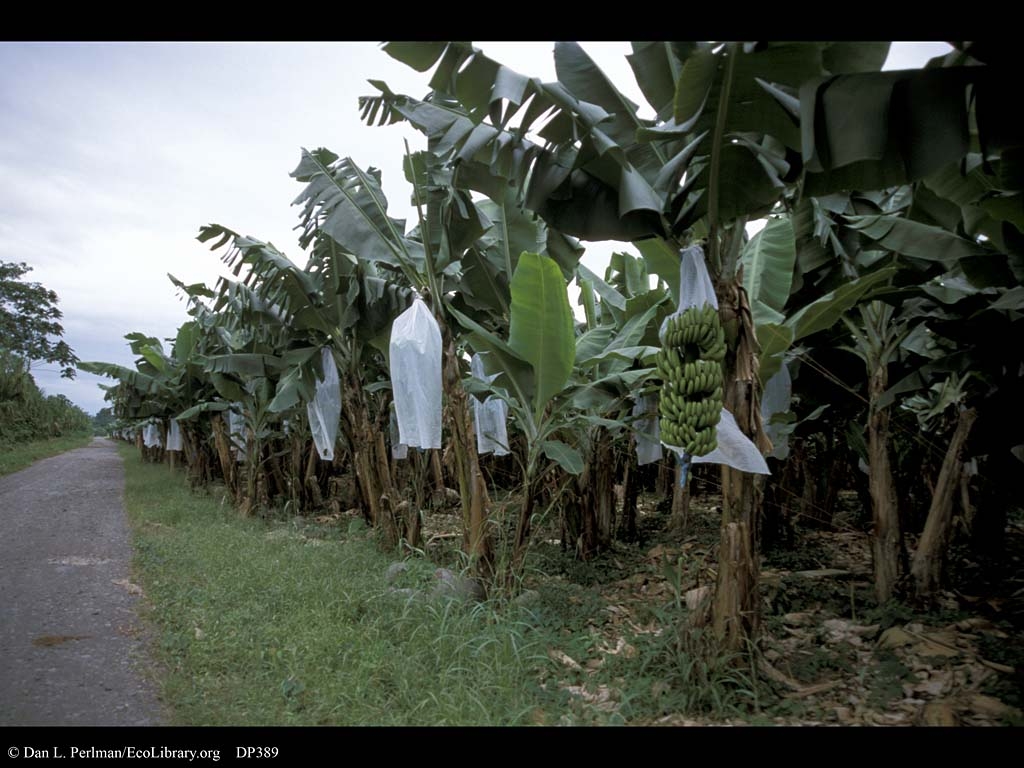
It produces 125,000 tons of coffee, making it the world’s eighth largest exporter of the beverage. It also produces 150,000 tons of cotton, 400,000 tons of bananas, 85,000 tons of palm oil and 27,000 tons of rubber.
Improved agricultural techniques and the training of farmers have led to a steady increase of yield for all crops. Cocoa, for example, can be planted side by side with food crops and better use of inputs and farming practice have led to higher yields of both.
The country is seeking to intensify its value addition to these products in partnership with investors and various initiatives are already underway to process export crops. At the moment, there is only one local cocoa processing firm, Sic-Cacaos, based in Douala, with an annual grinding capacity of 30,000 tons.
There is an excellent opportunity to add further value to cocoa. Morocco’s leading chocolate-making company, Compagnie Chéri-fienne de Chocolaterie, has indicated that it expects to build a 40,000 ton-per-year chocolate factory in Cameroon in the near future.
The country also exports livestock to Nigeria, Congo, Gabon and Equatorial Guinea, but the investment in abattoirs and packaging plants can boost employment and export earnings.
The Cameroon Development Corporation is the largest single employer after the state. It employs 25,000 people and produces palm oil, palm nut, tea, rubber and bananas. The Cotton Development Company (SODECOTON) based in Garoua has 1,527 workers operating eight factories producing 152,815 tons of cotton, 62,808 tons of fibre, 76,340 tons of triturated grains and 11,345m litres of oil on average per year. Cameroon Sugar Company (SOSUCAM) produces more than 60,000 tons of sugar per annum and employs 4,000 people. Cameroon Oil Palm Company (SOCAPALM) produces more than 50,000 tons of palm oil and more than 9,000 tons of palm nuts per annum.
Palm Oil Plantation (PAMOL) based in Lobe, South West region, produces palm oil, laundry soap and, to a certain extent, rubber. There is also rice production in the north of the country.
With a large tract of rainforest, Cameroon’s management of its forestry reserves is an important aspect of its agricultural policy. There is considerable international demand for its hardwood timber and wood products.