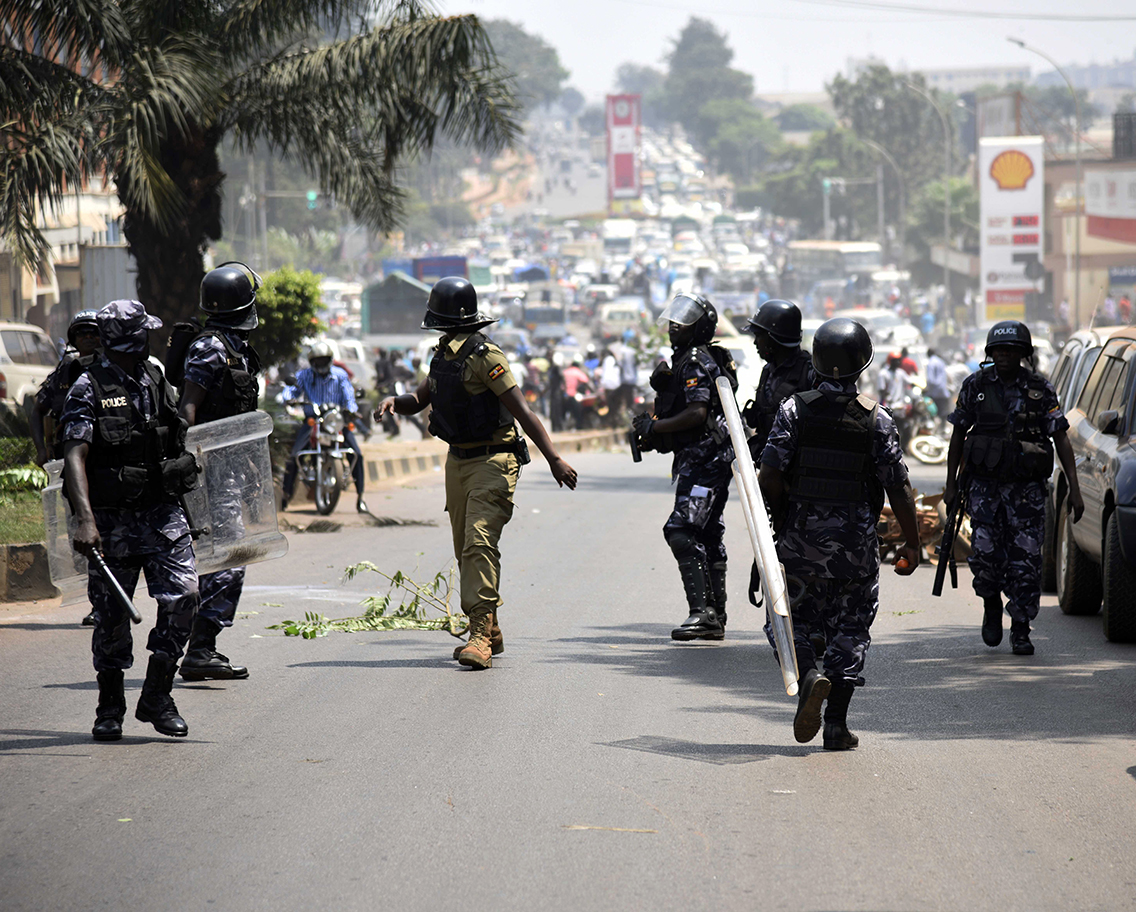
Right now, we are seeing the effects of this trust deficit everywhere. Embassies are being burned, ambassadors recalled, and peace talks failing before they even start. Kenya’s embassy in Kinshasa was set ablaze—not just an act of violence, but a clear sign of deep-rooted frustrations. Rwanda and South Africa are exchanging political blows when they should be allies. Uganda’s longtime opposition leader, Kizza Besigye, is detained yet again, a reminder of how democratic spaces keep shrinking. Meanwhile, Sudan is in the midst of a devastating humanitarian crisis, yet Africa’s response has been slow and fragmented. Why? Because trust—between governments, institutions, and people—has been broken.
Investors are also watching. When countries are unpredictable, when policies change with every new administration, when agreements aren’t honored, the world looks elsewhere. Nigeria, Africa’s largest economy, is battling inflation and currency instability. Ethiopia is struggling to rebuild after war. The Sahel is caught between military rule and insurgencies. The message is clear: without stability and trust, investment dries up, and progress stalls.
But perhaps the most worrying trust gap is the one between African nations themselves. The recent African Union Commission elections were a wake-up call. Raila Odinga, a leader well known across Africa, lost to Djibouti’s candidate. This wasn’t about personal influence—it was about shifting geopolitics. The old rules no longer apply, and those who fail to adapt will be left behind.
So, is Africa truly rising, or are we caught in an illusion? For years, we’ve championed the ‘Africa Rising’ narrative, but real progress remains uneven. Some nations are thriving, while others struggle with instability. The problem isn’t a lack of potential—it’s the absence of a long-term, strategic vision that extends beyond election cycles and political self-interest.
This is why investing in Africa’s youth is non-negotiable. Over 60% of our population is under 25. If we get this right, our young people can be the force that drives economic transformation. But right now, they don’t trust leadership. They don’t see governments working for them. If we want to secure Africa’s future, we must do more than talk about youth empowerment—we must create real opportunities, real inclusion, and real change.
The way forward is clear. We must move beyond short-term political games and focus on a proper strategy for Africa’s future. We need leaders who see transparency as a strength, not an inconvenience. We need economic policies that provide stability so businesses—local and global—can invest with confidence. And we need real regional integration, not just in speeches but in actions that make trade, mobility, and collaboration easier.
Trust isn’t built overnight, but without it, we will always struggle. Africa has everything it needs—resources, talent, markets—but if we don’t trust each other, we will remain divided and vulnerable. The world is moving forward. If we want to rise, we must do so together. Trust is the key. It’s time we start rebuilding it.