Our loss of faith in our ability to turn around our continent has us searching the sky for answers. But to quote Shakespeare: “The fault… is not in our stars but in our selves…”
In the 1990s while filming in Mozambique, a wise old man told me a wonderfully illuminating proverb: ‘When people lose faith in each other, they look up to the sky and turn to God.’ The proverb explains much about Africa.
At independence our continent was full of hope, optimism and a stunning vision. People trusted and worked with each other as they fought the liberation struggle. Across ethnic, language and religious lines, we would together reclaim our continent from the colonialists and build new nations offering peace, dignity and prosperity. Secular ideas such as nationalism, Pan-Africanism, or socialism were the buzzwords and leaders who promoted these (Nkrumah, Nasser, Nyerere, etc) were the dominant personalities and heroes. Others that agitated along pre-colonial religious, regional or ethnic lines were considered retrograde and marginal.
The dreams of independence soon collapsed in rancour, backbiting and bitter hatreds. My own country Nigeria followed the trajectory of many African countries. Rigged elections and corruption destroyed trust; military coups introduced impunity and rights abuses; which led to civil wars and demands for secession; economic collapse and structural adjustment in the 1980s, led to despair and a loss of faith in the future of the secular dream.
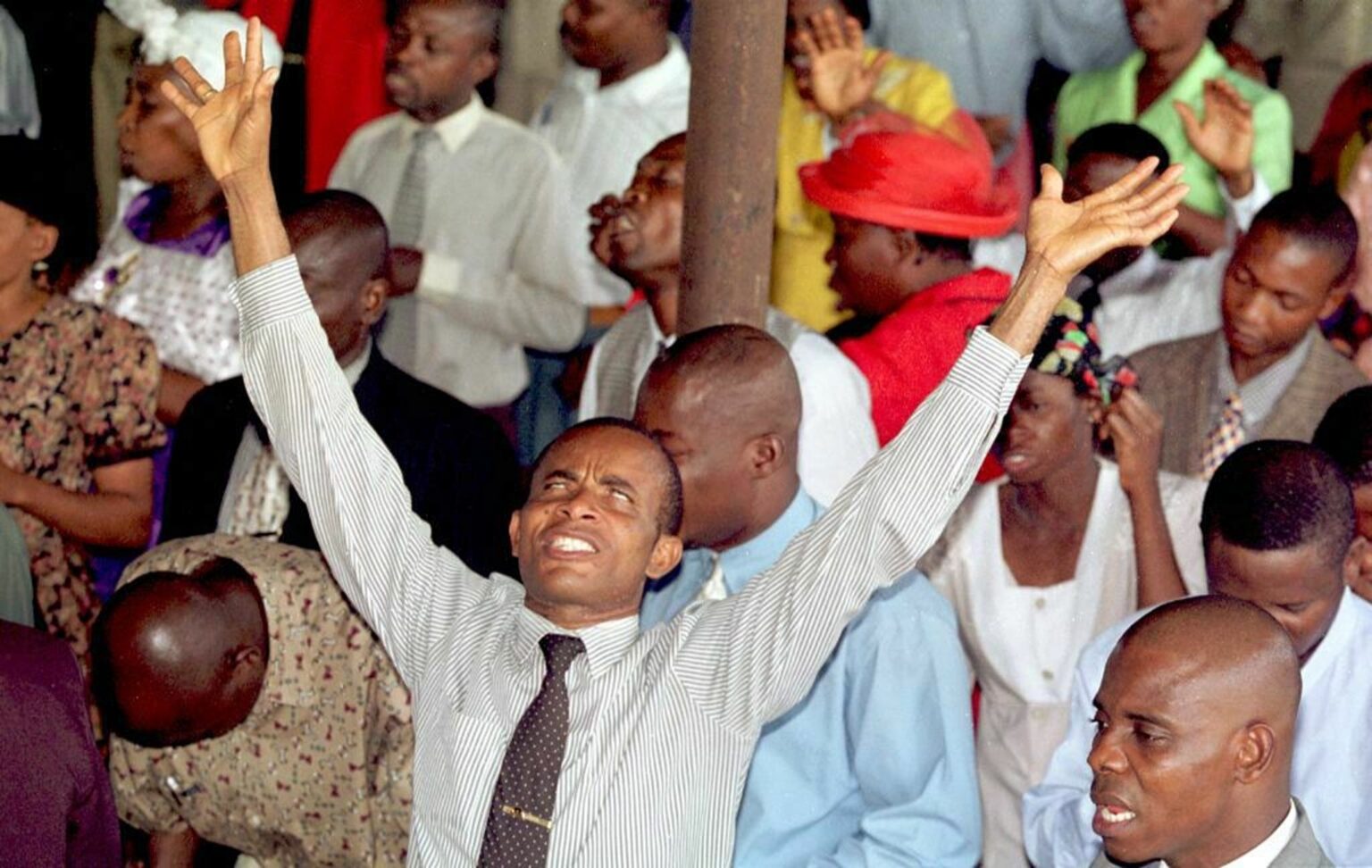
In response I watched in my own little part of Africa, my community shift first to regional and ethnic secessionist politics in the 1960s, and when that failed, into a bizarre American- inspired evangelical Christian “born-again” ideology in the 1980s. Initially the latter development was internal – belief and prayer would produce redemption and spiritual salvation, as well as physical and economic miracles in response to chaos and maldevelopment. Inevitably, this ideology would become “political” as growing numbers of believers sought to capture the public square, and impose their new-found fervour on others.
My first real understanding of how dangerous this project was becoming came in 1987. A young relative, trying to impress me with his new-found religious ardour, suggested quite casually, as though he were merely remarking on the weather, about the importance of proselytising in the Muslim North in order to “save them”. Soon after, I heard pastors and even village elders, referring to Jewish characters from the Bible as Igbo ancestral figures, suggesting a frightening self-abnegation. Then the uneasy peace that had been maintained for half a century between believers in traditional religion and Christians was shattered in a wave of fundamentalist intolerance, as emboldened Christians burnt shrines, accusing vulnerable old and young people of being witches.
From the Muslim side of Nigeria, a similar disenchantment with the secular dream was in progress, with increasing demands for Sharia and the rise of Wahabism (with its purity and non-compromise of anything local and therefore African). I had seen presentiments of this in Bamako in Mali on another filming trip. People had said that the new Wahabi mosques, established by Saudi money, refused to pray alongside others from Sufi /Marabout Brotherhoods because the latter supposedly “worshipped” saints. Elsewhere, it’s no surprise that Islamic parties are so far the main electoral beneficiaries of the Arab spring. Since the mid 1990s I have therefore been arguing that the next major conflict in Africa (and especially Nigeria) will be religious and just as the “hot” part of the Cold War was played out in Africa, the increasingly global quarrel between the Children of Abraham will be played out on our continent. Just as economic progress finally appears possible.
This view was reinforced by the Danish cartoon incident and subsequent global protests against Danish interests. Nigeria was the only country in the world where Nigerians killed fellow Nigerians, over a quarrel in a faraway country. Now the ideology extends to condemning Western education, bombs go off in churches, mosques, public squares and schools, as attacks escalate, and zealous religious identities threaten to subsume all other identities we have as Africans.