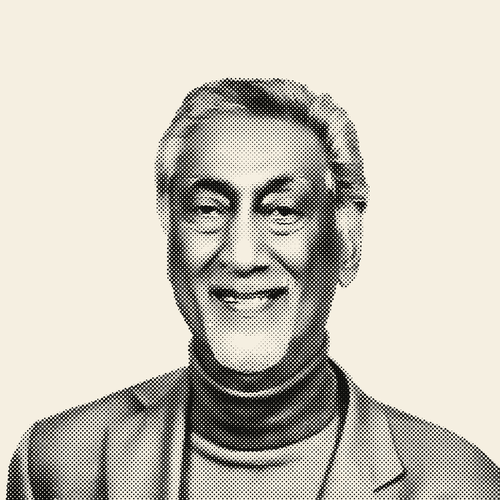
HH, the Aga Khan IV in conversation with Anver Versi, Editor, New African
His Highness, the Aga Khan, is one of the most iconic figures in the world. As the Imam of the 15m-strong Shia Ismaili Muslim community worldwide, he is more than a leader and a guide.
As a direct descendant of Muhammad, the Holy Prophet of Islam through his daughter Fatima and his cousin and son-in-law, Ali, he is seen by his followers as the unbroken link between today and the very foundation of the global religion. His influence, not only within his own community around the world but also in the societies and countries in which Ismailis reside, is incalculable in terms of social development and spiritual upliftment.
The Aga Khan Development Network, which coordinates the activities of over 200 institutions, employing approximately 80,000 paid staff, is dedicated to improving living conditions and opportunities for the poor, without regard to their faith, origin or gender. It operates in more than 30 of the poorest counties in the world. Its annual budget for non-profit development activities is approximately $1bn.
In Africa, particularly in East Africa, the Aga Khan educational and health institutions – accessible to all irrespective of religious or class distinctions – are regarded as the benchmark for excellence.
But the Aga Khan is also a thoroughly modern global citizen, equally at home in the West (the title His Highness was conferred on him by HM Queen Elizabeth II of the UK in 1957, the year of his accession) as he is in South East and Central Asia and Africa.
His institutional interests through the Aga Khan Fund for Economic Development encompass a wide range of entrepreneurial domains including prestige hotels (for example, the Serena Group), tourism and industrial promotion, power generation (e.g. the Bujugali hydroelectric power dam in Uganda), agro-processing (Frigoken, Kenya), telecommunications, manufacturing, media (Nation Media Group), banking, insurance and property management. All companies have a clear social development mandate; all surpluses generated are reinvested in further development activities.
Cultural initiatives also span a range, from urban revitalisation to music. The triennial $1m Aga Khan Architecture Award, established in 1977, has become the most prestigious prize in this discipline, with winners coming from an astonishing range of countries, including Burkina Faso. The Award goes to projects around the world that set benchmarks of excellence in finding solutions to challenges of the built environment.
In March, the Aga Khan announced the Aga Khan Music Awards, which come with $500,000 in prize money. The global awards will recognise exceptional creativity, promise, and enterprise in music performance, creation, education, preservation and revitalisation in societies across the world, in which Muslims have a significant presence.
He is counted among the 10 wealthiest royals in the world but contrary to Western media speculation, does not live a lavish lifestyle, decrying “affluence for the sake of affluence”.
Diamond Jubilee
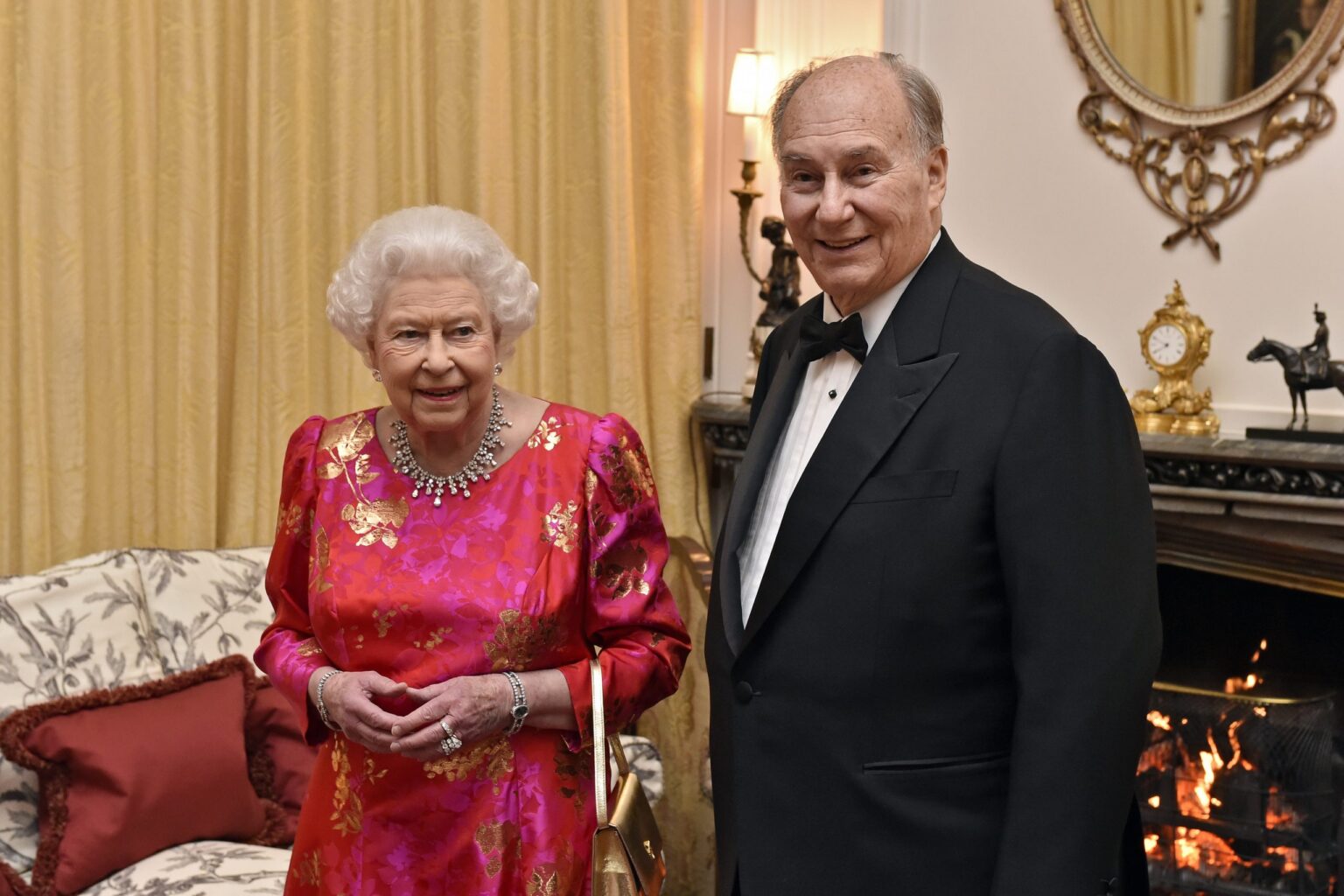
Although he is not a monarch or leader of a country, he is often given the red carpet treatment reserved for heads of state on his frequent visits to various countries or institutions. In March, Queen Elizabeth hosted a private dinner for him and his family to celebrate the Diamond Jubilee, 60 years of his Imamat. He shares an abiding passion for thoroughbred race horses with the Queen.
The Aga Khan has met with and been fêted by a veritable who’s who of world leaders, artists, architects and cultural, social and religious icons. He is a much-sought-after speaker at international fora. His speech during the Africa 2016 Forum in Sharm el-Sheikh, Egypt was one of the highlights of the event.
Ismailis around the world are celebrating the Diamond Jubilee since the Imamat was conferred to him on 11 July 1957 when, at the age of 20, he succeeded his grandfather, Sir Sultan Mahomed Shah, Aga Khan III.
The Diamond Jubilee Year runs from 11 July 2017 to 11 July 2018 and as he has done on previous such milestone occasions, he has been travelling to several countries where Ismailis live. He traditionally uses the occasion to set into motion new initiatives from his various institutions.
As part of his itinerary, he visited Kenya in April where he addressed several thousand Ismailis who had gathered in Nairobi for the occasion. He also met with Kenya’s President Uhuru Kenyatta.
In a fractious world where an increasing number of global leaders seem to have become unmoored from the traditional values of humanity and where divisiveness, hatred, narrow self-interest, greed and blatant lies appear to be in the ascendency, why does this man inspire such deep respect, and affection, not only among his community but all who come into contact with him?
Perhaps David Johnston, Principal and Vice-Chancellor of McGill University before he was appointed Canada’s Governor-General said it best. Presenting the Aga Khan with an LL.D (honoris causa) in 1983, he said:
“This man is a bridge between North and South, East and West. His leadership is beyond politics, beyond race, beyond religion. In a world torn by division, hostility, war and fear of nuclear holocaust, he is a shining beacon of inspiration and of hard-headed accomplishment in improving the lot of humankind, in elevating the quality of civilized life and in uplifting all peoples of the world to cherish the brotherhood of man.”
While he was in Kenya, although the Aga Khan has rarely given one-on-one interviews over the past decade or so, he graciously agreed, despite a very tight schedule, to sit with New African editor Anver Versi for the exclusive interview that follows. NA