In October this year, Liberians will go to the polls to elect representatives and senators in mid-term elections. John H. T. Stewart reports on what preparations are being made.
According to political observers, these elections will, to a large extent, prove to be a dress rehearsal for general and presidential elections in 2017. Already, the National Elections Commission (NEC) has kicked off the process with the commencement of voter registration and an update of the voters’ register. This exercise was expected to be completed in April.
But the October election is just a pointer to the presidential and general elections of 2017, as those elections are bound to engender controversy. Such controversy is likely to revolve around the simple majority requirement.
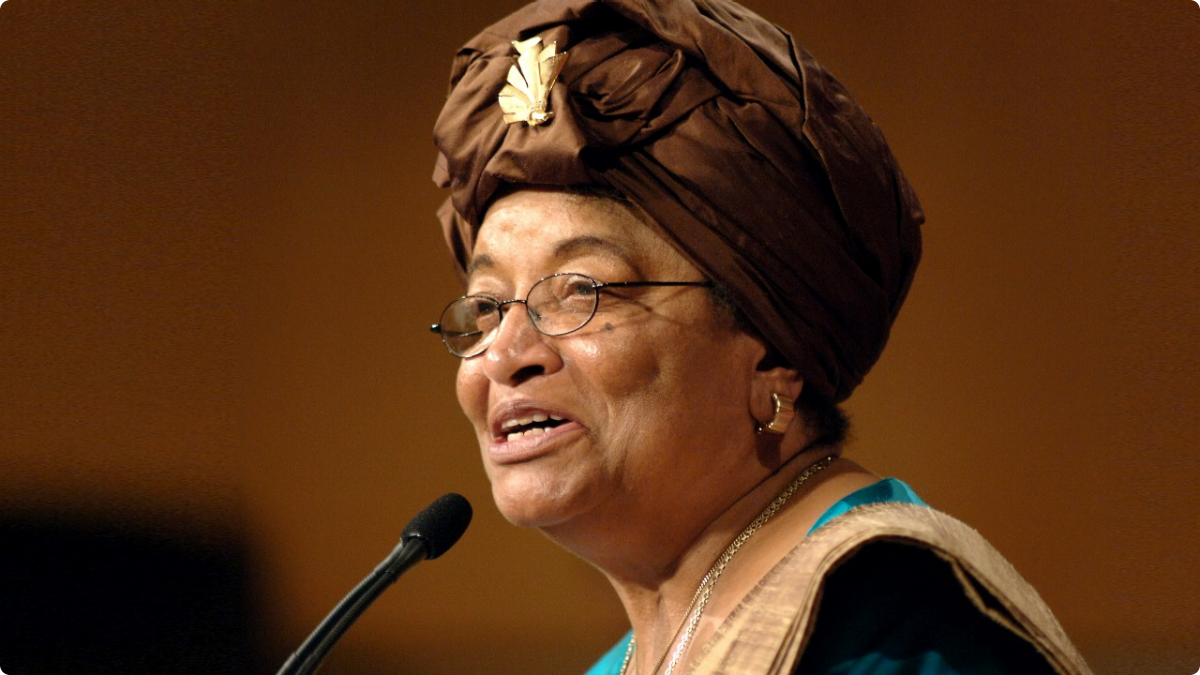
The country’s constitution enacted in 1986 provided for a two-thirds majority requirement, ostensibly as a consensus- building tool in a country that had been deeply fractured along ethnic lines. President Ellen Johnson-Sirleaf’s Unity Party supported a proposal to replace the two-thirds requirement by one based on a simple majority.
The proposal was rejected at the 2011 referendum but was passed by the Supreme Court upon appeal by President Sirleaf’s ruling party.
Now with so many candidates contesting, it can be expected that the elections may leave communities more deeply divided than ever before as many of those currently serving as legislators made it through on very narrow margins based on the simple majority formula.
Another issue that proved controversial was the demarcation of constituencies based on a population threshold of 20,000 provided for by the constitution. During the last elections in 2011, this constitutional provision was set aside by the legislature. Although the act involved a violation of the constitution, it nevertheless went virtually unchallenged.
At this point it remains unclear how such developments are likely to impact the 2017 elections, but tensions and disputations likely to be generated during the October elections may certainly provide a glimpse into how those elections are likely to pan out.
Ahead of the 2017 elections, however, is a constitutional referendum on a host of issues including the proposed change of national symbols, the tenure of the president and legislators amongst others.
Then, Liberians will have the opportunity to undo the changes made to the constitution by judicial fiat, such as the removal of the two-thirds consensus- building requirement contained in the 1986 constitution. Surprisingly, an ongoing national discourse on proposed changes to the constitution has remained silent on these issues, laden as they are with such potential for conflict.
As the clock ticks towards October, what promises to be a crowded field of contenders is slowly emerging in the various counties. Like the last mid-term elections, voter apathy may likely affect turnout, which has been observed to be quite poor in recent by-elections held around the country. But this reality does not in any shape or form suggest that voter apathy will have a crippling effect on the 2017 elections.
For now, the concern is whether the NEC will be fully prepared, when the time comes, to hold the elections, given financial and other constraints such as logistics.
Sources say the pre-positioning of election materials in the various counties has still not taken place, perhaps due to the fact that ballots have not yet been printed.
But even before ballots are printed, voter education has to be conducted, candidates have to be vetted and approved by the NEC, and polling centres designated. So far, none of these activities has taken place, which is genuine reason for concern.