By Anver Versi
One of the favourite conference topics over the past few years has been Africa’s ‘youth bulge’. We are told that by 2030, Africa will have the largest young workforce in the world. If projections go as expected, this statement will represent a fact, no more, no less.
The question is what can we do with the knowledge of this fact? The optimists see this as a boon – the so-called ‘youth dividend’; the pessimists point out that a huge population of energetic young people, with frustrated dreams, may lead to social chaos unless they can be gainfully employed.
Again, most people seem to accept this premise; so the issue now is, how can we set into motion measures that will ensure that this youthful energy will be harnessed into productive activity – in short, that there will be enough employment for this demographic?
On this point, there is considerable disagreement. To begin with, the majority of young Africans today are either unemployed or underutilised. So whatever plans we have will have to first absorb the young underemployed present today and also make provisions for the expected youth bulge.
This is a tall order. It is hardly surprising therefore that there are as many solutions being proffered as there are experts making them. Some say expansion of agriculture is the answer; some swear by industrialisation; some are sure that services are the way forward; some are convinced that the formalisation of the vast informal sector will provide the magic bullet.
It is clear from this wide, and often conflicting range of views, that no one can say for sure that this formula or that is the answer we are looking for. Perhaps we need all the various projections to work together, in tandem, if we are to crack this very hard nut. And time is pressing – children will not stop growing into youths and youths will not stop growing into adults while we ponder the options.
But let’s pause for a moment and look at another set of facts. Africa’s current total population is circa 1.25bn and is expected to hit 2.5bn by 2050. The proportion of Africans living in urban areas has risen from 10% in 1950 to 36% in 2010 and will reach 50% in 2030; by 2050, more Africans (55%) will be living in urban areas than in rural ones.
The magic of urbanisation
Here is a further set of facts: The examples from other regions tell us that it is virtually impossible to transition from a low-income country to a middle-income country without first going through the process of urbanisation.
Even for a region that is still heavily dependent on raw commodities, half of the continent’s GDP of around $1.5trn is generated from the urban areas.
In more advanced economies, almost 80-90% of GDP is generated from cities and towns. Cities, properly planned and managed, are wealth and employment generators.
So, with more Africans now living in cities, can we assume that urbanisation on its own will solve all our employment problems, including that of the youth bulge that is impending?
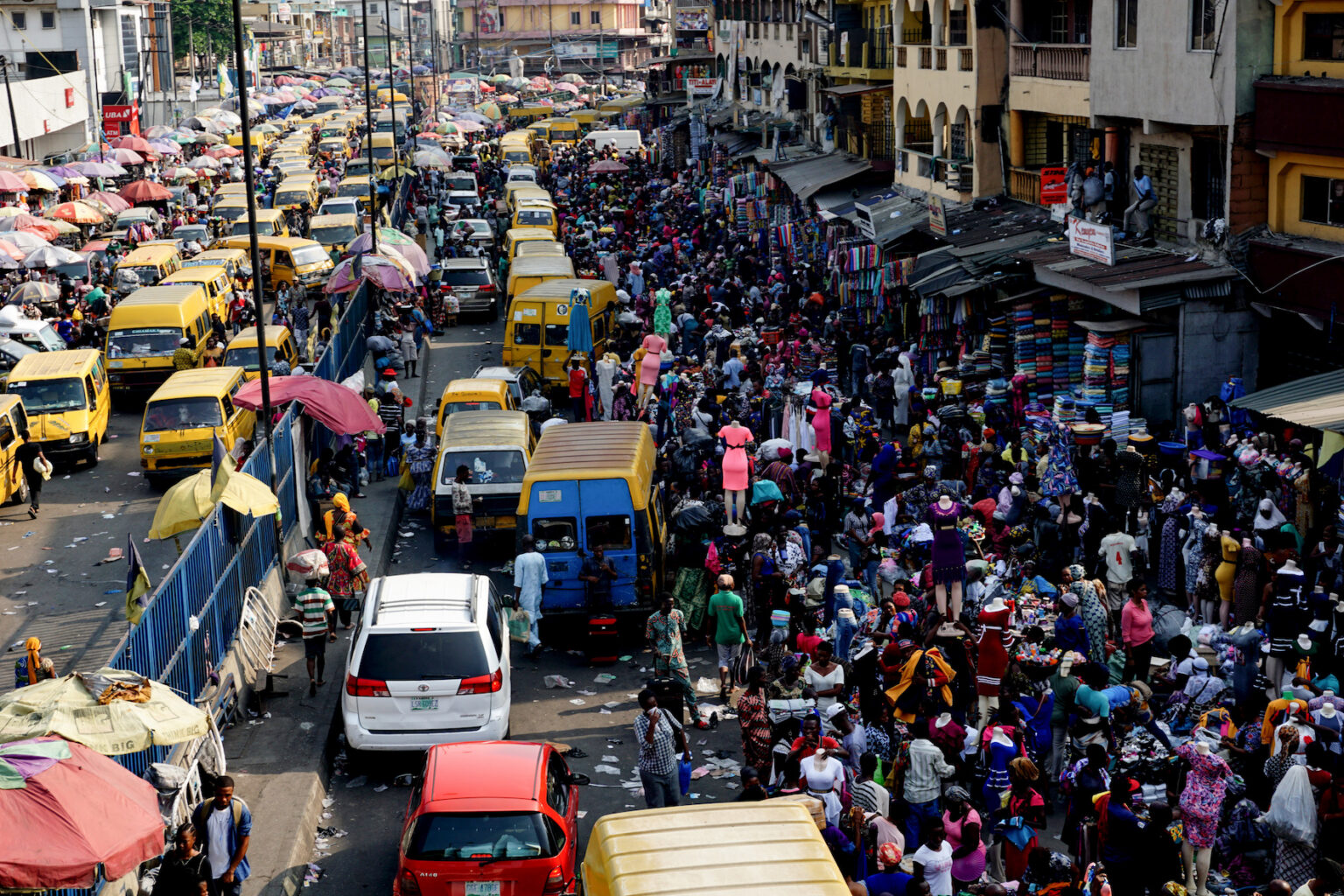
Unfortunately, the answer is no. There is planned urbanisation and unplanned, chaotic urbanisation. Planned cities concentrate industries and services and produce prosperity; urban sprawls create dangerous slums.
Much of the growth of African metropoles is of the unplanned variety, producing the urban hell-holes that we see on the outskirts of most of our cities.
You would think that given the importance of urban planning for the future of our continent, our thinkers and planners would be devoting most of their time to working on this issue and scouring the earth to find and replicate models that can work.
But I can count on the fingers of one hand the number of serious conferences on this subject that I have attended. To my knowledge, Angola remains the only country that has tackled the urbanisation conundrum with any degree of success.
Looking around the world, there is no doubt that properly planned and executed urbanisation is essential, not only to provide jobs for all now, but also to turn the youth bulge of the future into a positive dividend.
This, if anything, is the silver bullet we have been looking for. NA