The population growth rate has been rising in Africa and by the end of this century, the continent will have half of the world’s population. How can we cope with this explosion? The time to start planning is now. By Onyekachi Wambu
Discussions about population management in Africa are always sensitive, given the depopulation of the continent that took place during the slave trade, and the various attempts at population control through sterilisation, eugenics and genocide during colonialism.
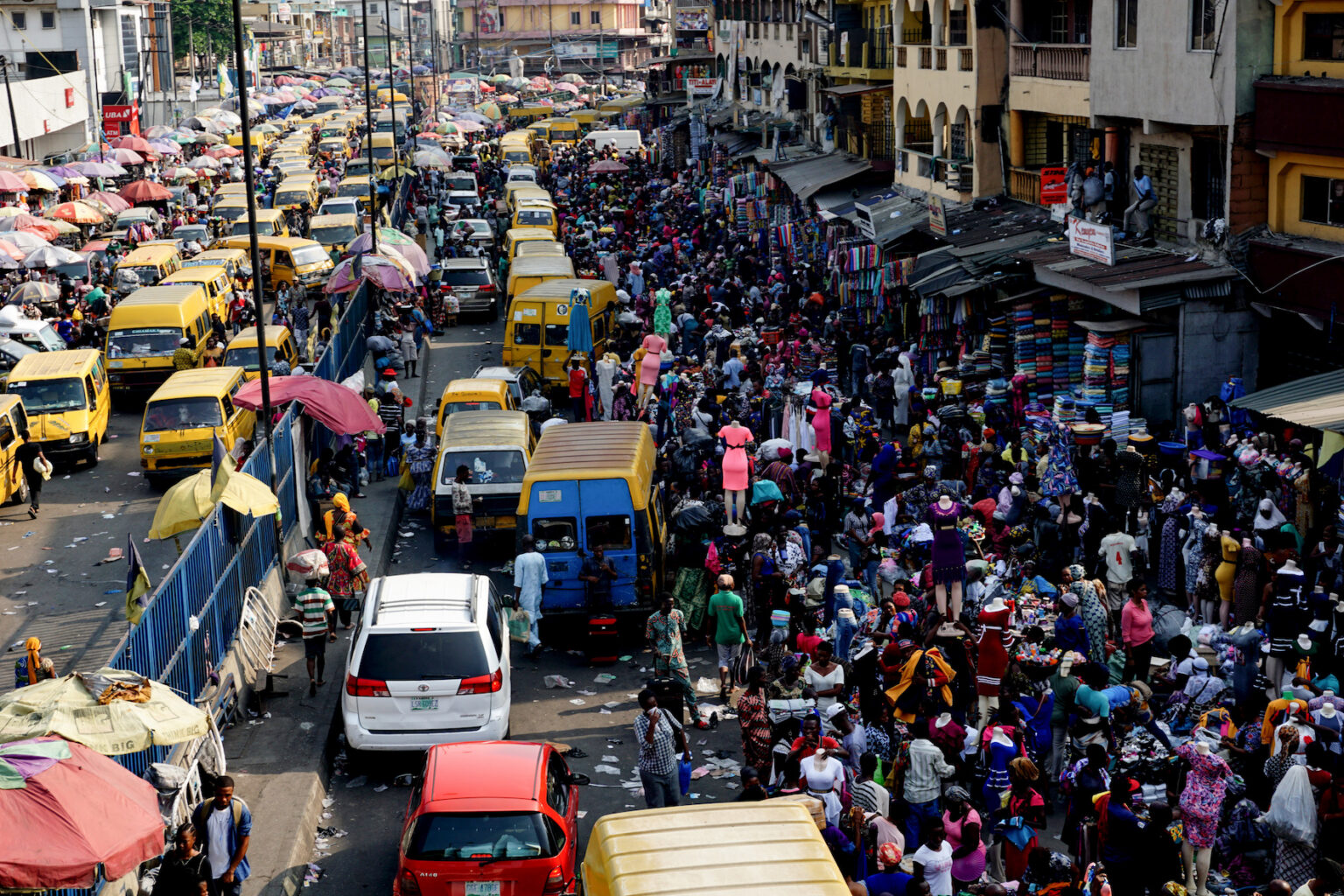
However, given the continent’s growing population, a conversation amongst Africans is badly needed. If it follows the current trajectory. Africa’s population is predicted to reach 5.5bn people by the end of this century – that is barely 82 years away. Improvements in healthcare and greater nutrition have resulted in what is an extraordinary population explosion.
In 1950, Africa represented only 9% of the world’s population, with 230m out of 2.5bn people. In 2015, the figure had risen to 16%, with 1.2bn out of 7.3bn worldwide. In 2050, the estimates are that it will be 25% of the global population, with 2.4bn out of a world population of 9.5bn. In 2100, the figure will be 50% of a world population of 11bn.
In terms of individual countries, Nigeria will have 700m people; Congo nearly 400m; Tanzania 300m; Ethiopia 250m; Uganda 200m; Egypt 200m and Kenya 160m according to the UN’s worst-case scenario.
Challenges and opportunities
A series of challenges and opportunities unfold from these projections. First, how would we generate jobs for all these people? What will be the impact on food security or access to water? What about the impact
on the environment, particularly at a time of extreme climate change?
For a country like Nigeria, struggling with a current population of 189m, what would another 500m people in that space mean? This will be a Nigeria presumably without oil, with limited industrialisation, and where there is already fierce competition from contesting groups for limited resources. Can we expect even more conflict?
The demographic explosion is also happening at a time when industrialisation may not be enough to solve the problems of a huge population. Given the profound change in the mode of production that is under way with AI, robotics and digitalisation, the reality is that Africa will not be able to generate all the jobs that it needs domestically, and will have to export labour.
This exporting of labour is already under way, happening in the most dysfunctional way as our young people cross the Sahara, trying to get to Europe, while some go the Middle East and elsewhere as domestics.
As Africans we have some serious choices about how we manage this demographic explosion. Do we continue to export labour in the same dysfunctional way for the rest of the century? Do we wait for
the inevitable pressures on water, food and other resources? Or the conflicts that will result from idle hands?
The discussion so far has been about the challenges. Others want to talk about the opportunities that come with having half the world’s population. Africa will represent half the world’s market, and its labour force, with all that will mean for cultural influence and projection.
The old belief was that population was destiny. However, is 5.5bn really an optimum and comfortable number for us to manage on a continent with some of the most fragile and ecologically challenged landscapes?
If we think a 5.5bn population figure is not acceptable, how will we strike the right balance? At the moment the figure assumes the average African mother giving birth to five children. How might we convince mothers to have 2.5 children, the world average?
It took 20 years in Asia for its fertility rate to decline from more than five children per woman during the early 1970s to less than three children in the early 1990s. We know from current figures that an Ethiopian woman with secondary education has an average of 1.6 children, compared to an Ethiopian woman with no education who has an average of six children. So we know that education can play an important role in managing this demographic explosion.
The conversation needs to start about the pros and cons. If we look the other way as we have done so often in the past, others will again want to impose solutions on us. A proper discussion will enable proper planning to deal with what is perhaps the most challenging issue that our continent will face over the next 82 years. NA