The past 25 years have seen steady economic growth in Uganda, even though this year growth has dipped greatly. The president suggests that Ugandans should woo investors as they would a bride.
President Museveni’s musings on the Ugandan economy can be hilarious at times, but they do have a ring of truth, even wisdom, about them. When he came to power 26 years ago, Uganda’s economy was in the doldrums. Twenty years of political and social turmoil, climaxed by Idi Amin’s disastrous expulsion of the business-owning Ugandan-Asians in 1972, had combined to cripple the economy. Inflation was rampant, hitting a high 240% in 1987, but by 1992 it was down to 42%, and in 2003 it stood at 5.1%.
In 2000, Uganda became the first country to go under the Heavily Indebted Poor Country (HIPC) programme put in place by the IMF and World Bank to help struggling countries to resuscitate their economies. HIPC involved a set of economic measures to be followed by recipient countries leading to massive foreign debt relief at the completion stage. In all, Uganda had almost US$2bn of foreign debt written off, which enabled it to pay off all its foreign debts by 2006.
Launching itself from that platform, the country pushed for economic liberalisation, and with the return of a sizable number of the expelled Asians to rebuild their old industries and businesses and thus augment the tax-take of the government, the Ugandan Exchequer today boasts deep pockets, which has given the government the ability to put other economic basics in place, such as generating more electricity, building new roads and repairing old ones, which it could not do in the past.
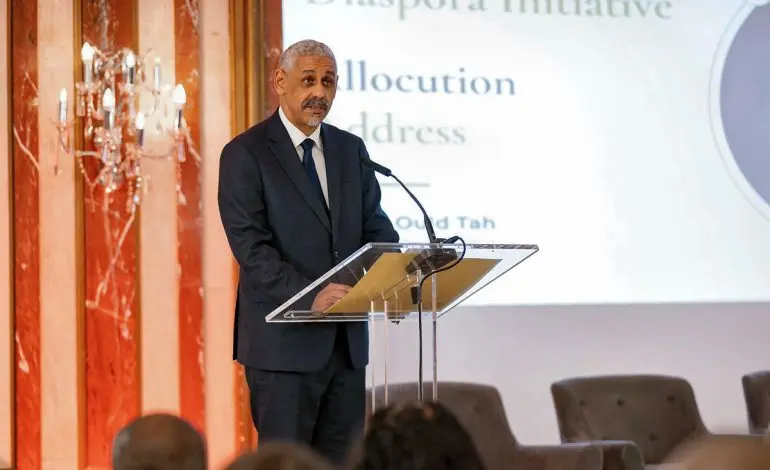
It was from this background that President Museveni gave his 2012 State of the Nation Address on 7 June, a large part of which was concentrated on the economy. He gave “five reasons” for the recovery of the economy since 1986.
These are: (a) security of persons and property, and the professionalisation of the national army; (b) interest shown by the private sector, whose investments account for 77% of the total investments in the economy, including investments by Ugandan-Asians (who contribute 25-30% of all investments); (c) macro-economic stabilisation and liberalisation of the economy which has brought inflation under control and freed the private sector from bureaucratic interference; (d) the ever-expanding consumer demand in Uganda and in the East African Region; and (e) “some little support,” as Museveni put it, “from development partners that enabled us to repair some roads and the Nalubaale power station.”
This gave the economy the fillip to grow consistently over the past two decades. In some years the growth rate was between 7% and 8%. However, in the 2011-2012 financial year, because of a slump in the global economy and the financial crisis sweeping Europe, and of course “some mistakes at home” (according to Museveni), Uganda’s economy grew by only 3.2%, one of the lowest growth rates in the last quarter century. To make matters worse, inflation rose at the same time to 30%, though it is now down to 18%.
Although demand for Uganda’s exports to Europe slumped in the 2011-12 financial year – cut flowers went down by 70% and fish down by 40% – it was balanced out by high demand in other markets, especially in the East African Region, where Ugandan exports (in goods and services) have been rising steadily over the years – from $654m in the 2009-10 financial year, to $873m in 2010-11, and $1.17bn in 2011-12.
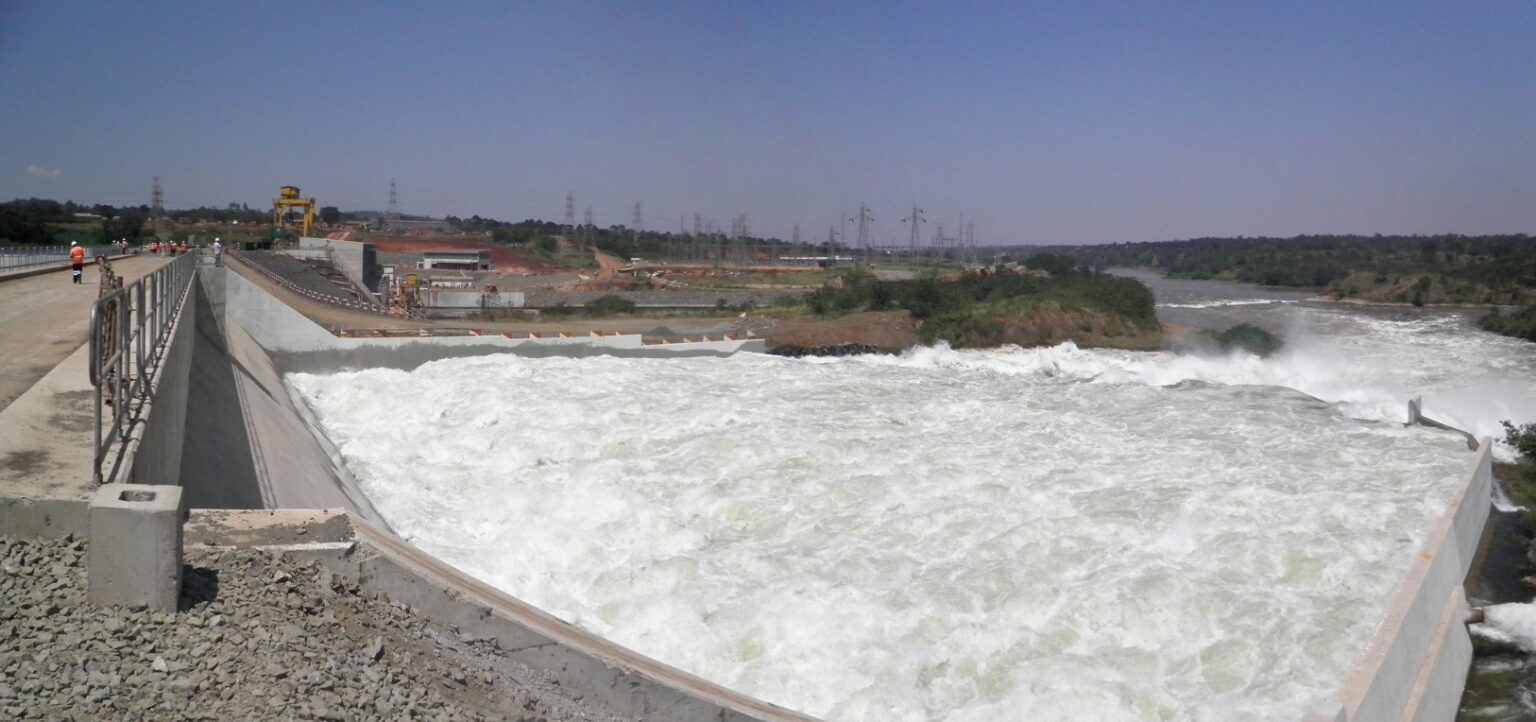
The main drawbacks for the economy had been the lack of enough electricity to power industries and businesses (only 12% of the country is electrified), and the absence of good roads and other transportation links. But these problems are being solved. A new dam over the River Nile, called the Bujagali Dam (a public-private partnership project) has just come on stream. When fully operational, it will add 250MW to the national grid. At the moment, it is adding 150MW with only three of its turbines operational.
Even then it has hugely improved the face of electricity supply in the country, giving Museveni the pleasure to tell the nation on 14 June 2012: “We shall, for the first time since 2005, have no electricity deficit for at least the next two years. More mini hydro dams will be built and they will generate 125MW. We shall start using our crude oil to generate electricity; we shall build Isimba [dam] and start on Karuma. We shall never get an electricity shortage again.”
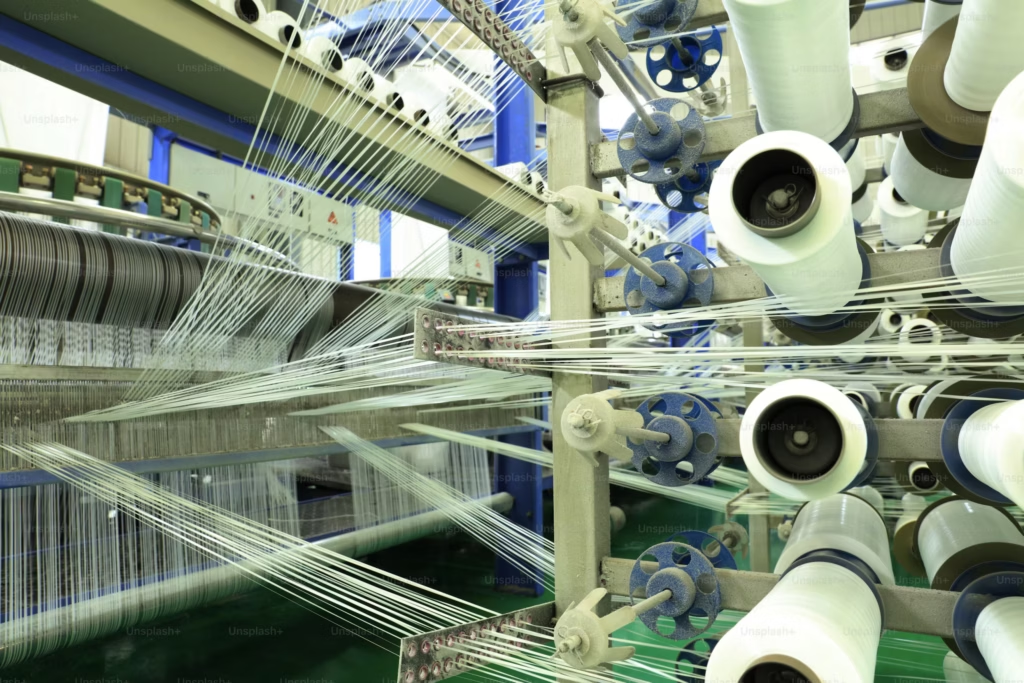
So the basics are being put in place, and now the government is actively promoting value addition to Ugandan crops and raw materials before export. In 2011, the country earned $449m from its main agricultural export, coffee, as against $267m in 2010. In previous years, coffee brought in a figure as low as $120m. It is the main reason why the government thinks that adding value to coffee before export (roasting and grinding the beans) will earn the country a lot more.
As such, in his State of the Nation Address, Museveni railed against Ugandans who make disparaging comments about “Indian factories” in Uganda. To him, “there are no Indian factories in Uganda”. The Indian factories are in India, he insists. “What we have in Uganda are Ugandan factories operated or owned by Indian families. These Indians are working for us. Those factories, by whomsoever, expand our GDP, not that of India.”
To the president, the following questions settle the argument: “Whose raw materials do [the “Indian factories] use? Which market do they produce for? Who benefits from their export earnings? Whose youth are employed by these factories? To which government do they pay taxes? When you answer each of these questions, you will discover that these are Ugandan factories and not Indian factories… That ignorant talk should stop.”
He supported his argument by citing the example of the three sugar factories in the country – Kakira, Lugazi and Kinyara, all owned wholly or partly by Indian families – which, combined, save Uganda $232m in import substitution per annum. “They paid 400 billion [Ugandan] shillings in taxes in the financial year 2010-11,” Museveni said. “They employ 19,000 Ugandans and engage over 200,000 people in indirect employment.
“When all the three expand as they plan to, these factories will earn about $60m in export earnings and will pay over 600 billion shillings in taxes per annum. They will also employ 25,000 Ugandans and produce a total of 450,000 metric tonnes of sugar a year instead of the present 290,000 metric tonnes per annum.”
To the president, consumers and investors are the most important players in any economy, and as such he wants the country to treat the two players with the utmost care. He drew laughter when he said in his State of the Nation Address that Ugandans should treat investors as they would brides, because the country’s future depends on investors (both local and foreign) who build factories and other industries.
As a measure of the seriousness he attaches to attracting investors, the president announced that he would reactivate the country’s Presidential Economic Council (PEC), to “eliminate once and for all the arrogance of civil servants”. He said: “Officials, in many cases, act against the interests of the private sector. I have been told, for instance, that somebody licensed the import of poultry meat. Yet I have been promoting chicken production in this country.”
To attract more private sector investment, the government is keen to give tax incentives to manufacturers who locate factories upcountry where, for years, the rebel Lord’s Resistance Army (LRA) created mayhem, a situation that has now been stabilised after the LRA was driven out of the country in 2006.