World Malaria Day is simultaneously an opportunity to reflect on progress made in fighting the disease over recent years, and to remember how stark the threat remains. The numbers speak for themselves: over 650,000 people still die every year from what is a wholly preventable disease, with over 90% of these deaths occurring in Africa, the majority being young children.
The frequent bouts of malaria don’t just kill, they also reinforce poverty, keeping adults from working and young students from attending school. Poverty in turn hampers treatment and prevention.
Despite this bleak outlook, real progress is being made. The World Health Organisation estimates that global efforts to control and eliminate malaria have saved around 3.3 million lives since 2000, reducing malaria mortality rates by 42% globally and 49% in Africa. Whilst much remains to do, this is a terrific achievement, and the Millennium Villages Project has had an influential role in the story.
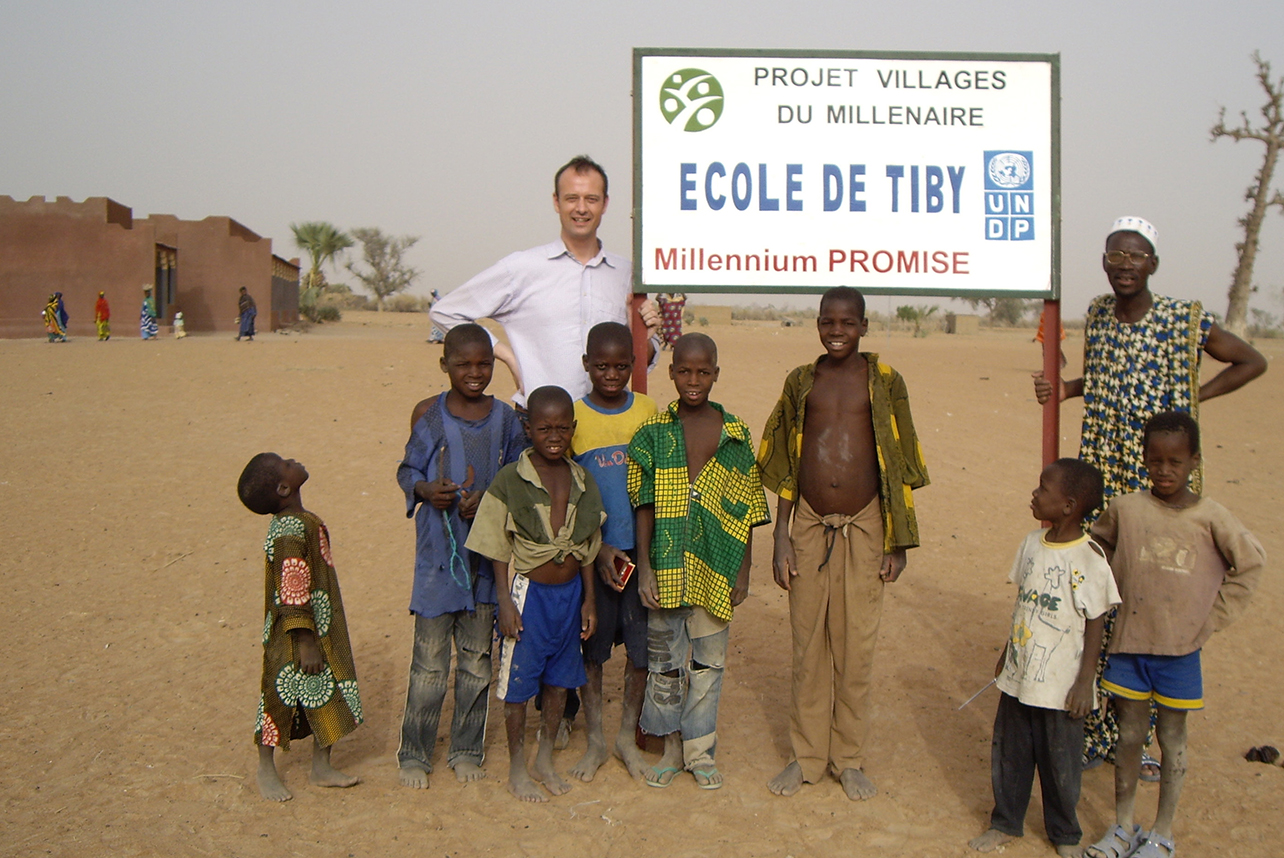
The Millennium Villages Project has been operating in 10 countries in sub-Saharan Africa since 2005, assessing and addressing the needs of poor rural residents; from energy, water and agriculture to health, education and business development. The Project was established to demonstrate how even some of the poorest and most remote communities can reach the UN’s Millennium Development Goals, among them combating HIV/AIDS, malaria and other diseases (MDG 6).
Tackling malaria has thus been a key part of the Project’s multi-sector approach to fighting extreme poverty. Supported by our partners at Sumitomo Chemical, our pioneering drive to deliver free, long-lasting, insecticide treated bed-nets to over 400,000 sleeping sites across the Project spurred major declines in the burden of malaria in rural communities. This experience inspired many national governments, as well as the World Health Organisation, to make free, universal bed-net distribution a cornerstone of public health policy. Heavily supported by the Global Fund, well over 300 million nets have since been distributed, and these have been paramount to efforts to combat the disease throughout Africa.
Where bites and infections still occur, donations of the life-saving treatment Coartem from the Novartis Foundation have further contributed to malaria declines in the Millennium Villages. The nets and the treatment together are providing a powerful “one-two punch” that is proving effective in reducing and controlling the disease.
Despite this, victory over a disease so pernicious as malaria will be hard won. The fast reproduction rate of mosquitos allows them to develop swift immunity to insecticides and preventative drugs. Climate change is increasing the geographical areas in which malaria becomes a risk, with high altitude regions especially vulnerable. Education and, crucially, early testing, are therefore as fundamental to future gains against the disease as the continuing spread and replenishment of bed-nets.
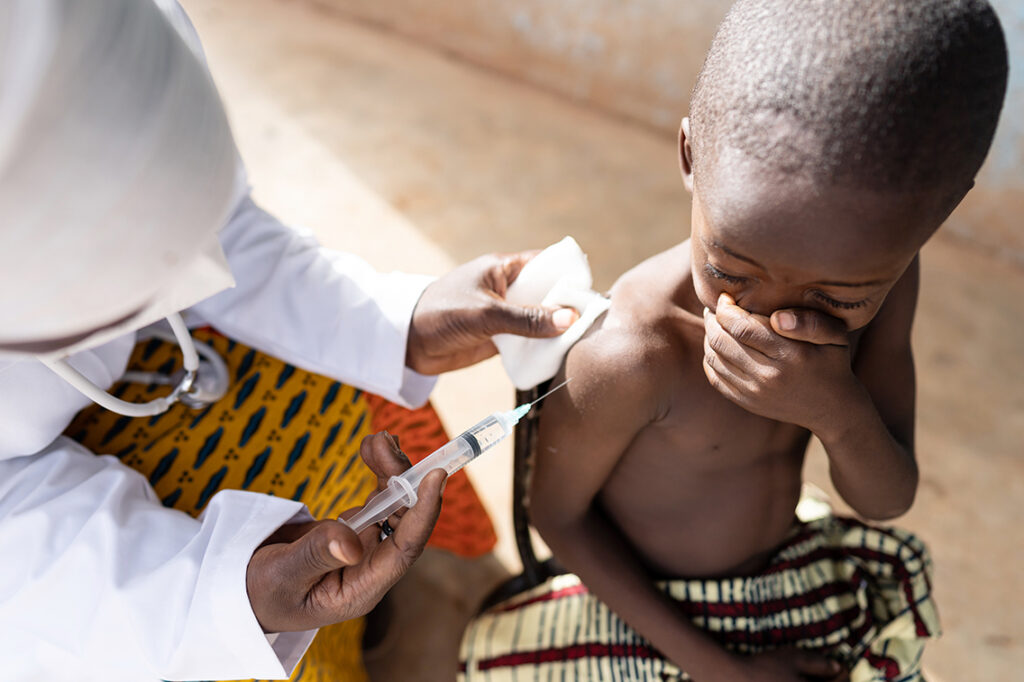
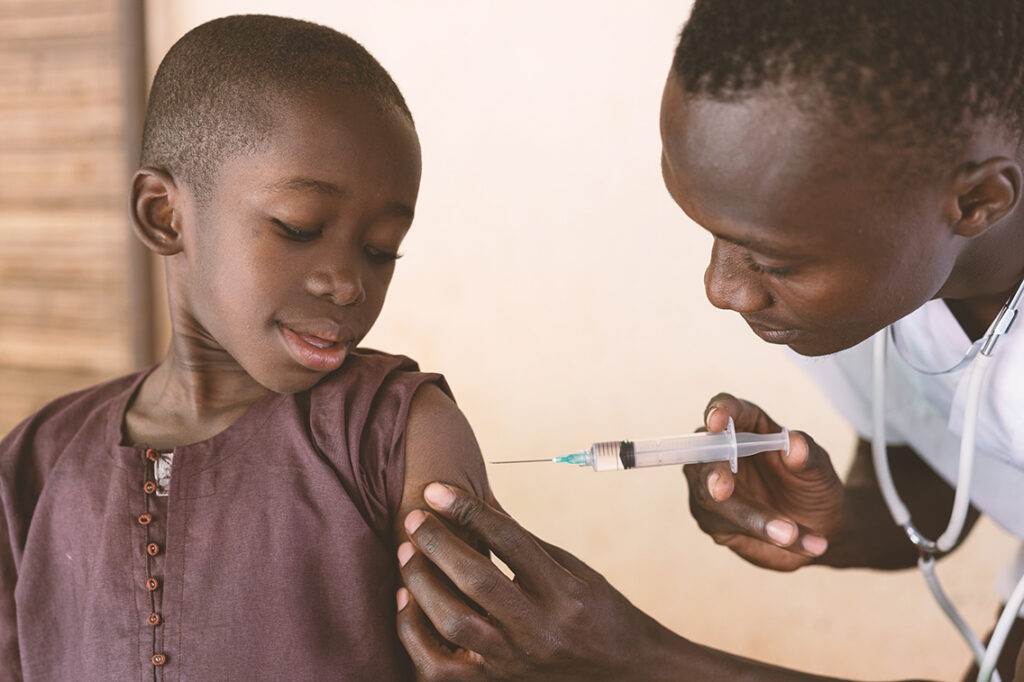
To this end, the advent of Rapid Diagnostic Tests has had a particularly profound effect in tackling malaria. Last year, Jackton Oloko tested more than 300 mothers and children in a single day. “I’ve never been so busy” he said. But he believes being busy is one of the reasons malaria rates have dropped so precipitously over the years in the Sauri Millennium Village in western Kenya. Oloko has been the lab technician in the Bar Sauri health facility since 2005. Back then he used to work in a small, closet-like room checking blood stained slides all day, eyes straining under a microscope. He said it was hard to avoid stepping on the slides strewn outside his door, drying in the midday sun, and could only examine 30 to 40 of these per day. Since RDTs were introduced in 2011, a simple prick of the finger allows for a small drop of blood to enter a plastic device, and he can tell if a child has malaria within minutes.
Now RDTs are a regular part of the equipment used by Community Health Workers in the Millennium Villages. Community Health Workers – paid, trained, local staff – are increasingly the first line of defence for vulnerable families, delivering professional care directly to households and providing essential treatments in remote areas. Equipped not only with RDTs but with smartphone enabled mobile health tools, these staff are able to quickly diagnose malaria and other common conditions such as malnutrition, diarrhoea and HIV/AIDS. Where possible, treatments are provided on the spot. For more complex cases, referrals are made and emergency transport is organised as necessary.
This system is saving lives, and once again many governments are following our lead, adopting Community Health Worker programmes as a core element of national health policy, whilst a campaign was recently launched to bring 1 Million Community Health Workers to regions across sub-Saharan Africa by 2015.
After the close of the Millennium Development Goal period post-2015, a full impact assessment of the Project’s management of malaria will be published along with data and evaluation across all key sectors of our work: agriculture, education, health, infrastructure, and business development. Until that time, our attitude is one that will resonate this World Malaria Day: we are making progress, but we must not let our focus waver.
* This article is published to help raise awareness of Malaria – a disease that affects hundreds of millions of Africans lives, daily. The article was written by Lord Michael Hastings, UK Chair of Millennium Promise and therefore New African magazine accepts no liabilty for the content of this article, or for the consequences of any actions taken on the basis of the information provided.