By reGina Jane Jere
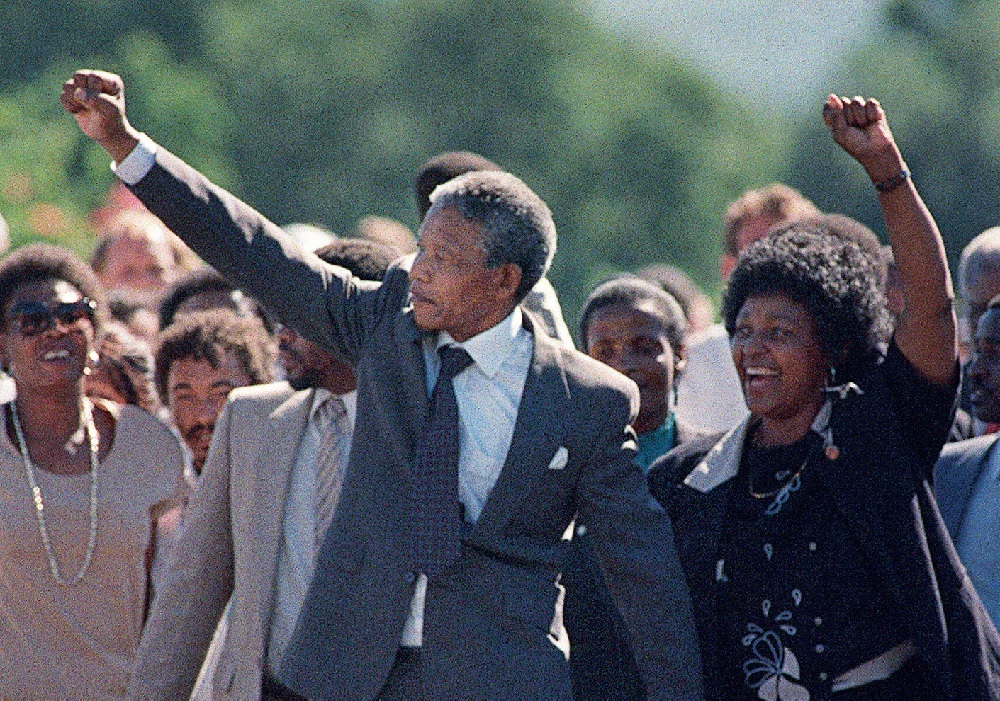
Tributes, events and coverage commemorating the Centenary of Nelson Mandela this month call for reflection. Two events stand out: The “Legacy SleepOut” at Robben Island where for a fee of $100,000 per person, South African and international business moguls and celebrities were invited by the South African arm of the philanthropic CEO Sleepout Movement, to spend the night of 18 July in the open courtyard where Madiba spent 18 of his 27 years of imprisonment breaking stone.
Also thrown in was an auction starting at $250,000, for a once-in-a-lifetime chance to sleep in Nelson Mandela’s Robben Island cell, Number 7. Part of the proceeds of this event will be ploughed into the Qunu Food Security Project, which is supported by some of his children and grandchildren.
Qunu, in Eastern Cape, is Mandela’s final resting place – and in 100 years of Madiba, 24 years after the fall of apartheid, and 5 years since his death, Qunu still remains one of the poorest areas in South Africa.
The second event is the 17 July Nelson Mandela Annual Lecture, by former US President Barack Obama – speaking on “renewing the Mandela Legacy and creating conditions for bridging divides, and resisting oppression and inequality.”
But what can possibly be said of Nelson Mandela that has not already been repeatedly said? A lot. More so from people closest to him, including his children and grandchildren, who I had the opportunity to speak to for this Special Report which honours Madiba’s Centenary, but also reflects on the state of Africa 100 years since Mandela was born.
One abiding opinion in this collation – be it from his family or those who worked closely with him including Tokyo Sexwale, who spent 15 years at Robben Island prison with him – is that the Struggle hero did the best he could to win South Africa political freedom from one of the most brutal and racist systems in the world. But that the onus was and still is on the next generation of leaders after him, to ensure economic and social solidity for the majority black South Africans. And that is where things have gone wrong.
More than half of the current generation was not born when Nelson Mandela and his fellow Rivonia Trialists were imprisoned for their beliefs and fight against apartheid – and what matters to them is what is happening in their lives now and what their future will hold in the next 100 years of keeping the Madiba flame burning.
In the words of his grandson Ndaba: “The world looks up to South Africa a lot as a country that is expected to stand on a pedestal of values and morality, because we are a country that produced this great international icon. But granddad always taught us to create our own legacies.”