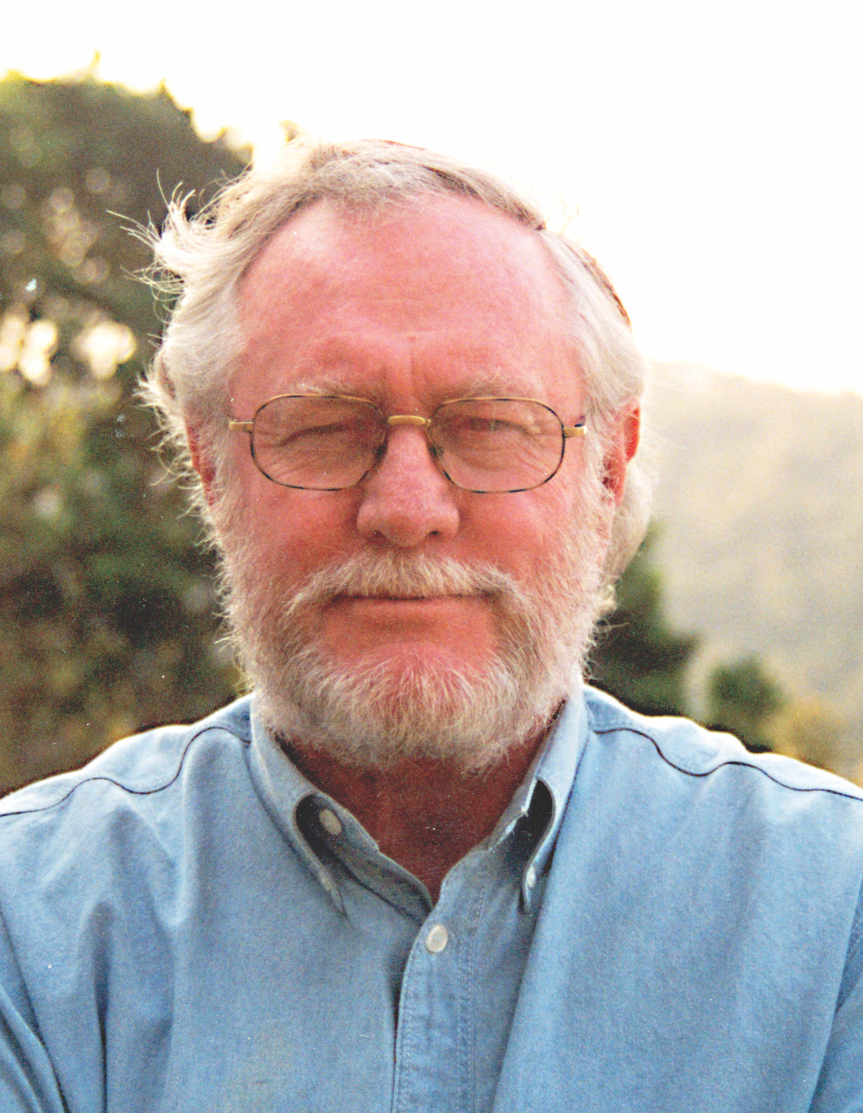
Thomas Christopher Andrew Nevin – 1941-2018
Tom Nevin, whose byline will be familiar to readers of African Business, African Banker and New African magazines for at least the past 20 years, passed away suddenly in his home town, Johannesburg.
Tom first contacted me when I had recently taken over the editorship of African Business magazine and was struggling to repoint the editorial towards a more African-oriented approach, while demystifying the often arcane expressions that passed for ‘business-speak’ in those days.
This was also the time when Nelson Mandela had taken over the leadership of a free South Africa and finally, blacks were legally allowed to take full part in the economy and run and manage enterprises. The implications of South Africa being welcomed back into the global mainstream also had huge ramifications for the rest of the continent. Mandela’s vision of creating a ‘rainbow nation’ where all races were equal and lived harmoniously was also under the global microscope.
Loud, often hysterical, prophets of doom and gloom – both in and outside the country – promised chaos and worse for South Africa. Few countries in the world had been put under such close and critical scrutiny as independent South Africa was in those early years. To interpret what was happening on a daily basis in this cauldron of change, I knew I needed an outstanding journalist who was also a brilliant writer and who had a deep understanding of the fears and hopes of the people. It was a tall order.
Then suddenly, out of the blue, Tom Nevin sent me a story pitch. I decided to give him a try and his first copy left me stunned. It was everything I had prayed for and more.
From that point on, Tom became a much admired and much loved fixture in our magazines. Whatever the subject, his pieces sparkled. The construction, the tone, the originality, the lucidity of his writing was of the highest order. He was hugely influential both inside and outside his country. People at the highest level sought him out to put forward their views – secure in the knowledge that he was scrupulously fair.
Tom also became a great personal friend. We shared many adventures in South Africa and in the UK. He had a wonderfully understated sense of humour and considerable charm and charisma. We got to know each other’s families. His one outstanding characteristic was that he loved people and took everybody, from the highest in the land to the lowest, seriously. He was respectful but never subservient or sycophantic.
He nailed his colours to the mast early on and lived the Rainbow Nation ideal in his daily life. He could be scathing about people who he felt were abusing their positions or letting down the country but was ready to stand up, often against the grain, for those he felt were right. He was aware of his influence but never used it for personal gain. He was the complete professional. If he had a weakness, it was for the underdog.
He was a glutton for work; he wrote for a variety of national and international publications; he edited the Energy of Africa magazine, was the South African correspondent for The Age in Melbourne and a scriptwriter for the Discovery Channel and the South African Broadcasting Corporation.
He also wrote some of the best-loved children’s books: Why the Sugar Cane is Sweet and The Fish Prince were translated into various African languages. He also wrote and published a stunningly beautiful coffee-table book called The Quivering Spear.
He founded the art charity Ifa Lethu, which has successfully returned many pieces of exiled South African struggle art to the communities that first produced it. This art is now held in a trust for future generations of South Africans to enjoy.
Tom’s final article for Business Day, an exposé on the Huddle Park development scandal, was published on the day of his death, 23 February 2018.
With his passing, we mourn the passing of a giant of African journalism. It was our privilege to have known and worked with him.
Anver Versi