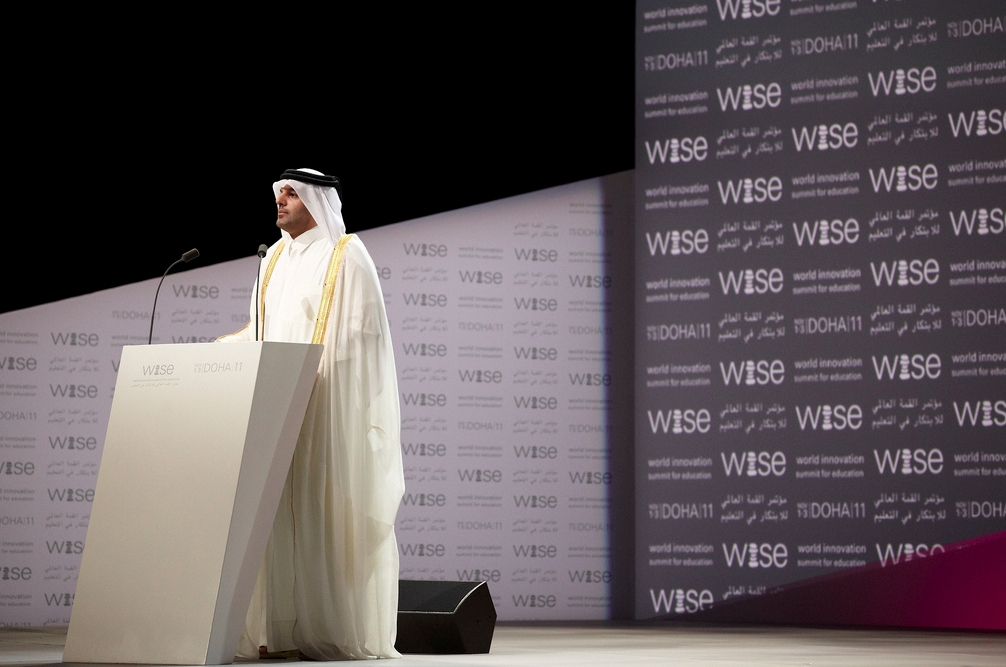
For the fourth year, experts from all walks of life and around the world gather again in Doha for the World Innovation Summit for Education (WISE), to debate and seek solutions to the challenges of 21st-century education worldwide. New African will be there to cover the event.
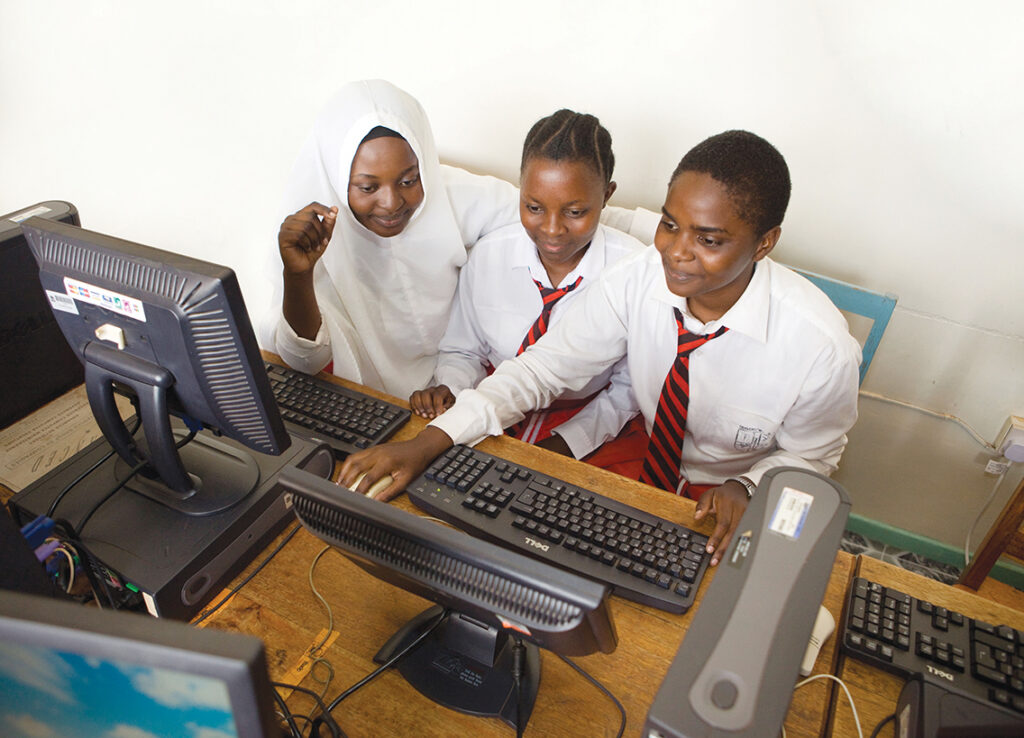
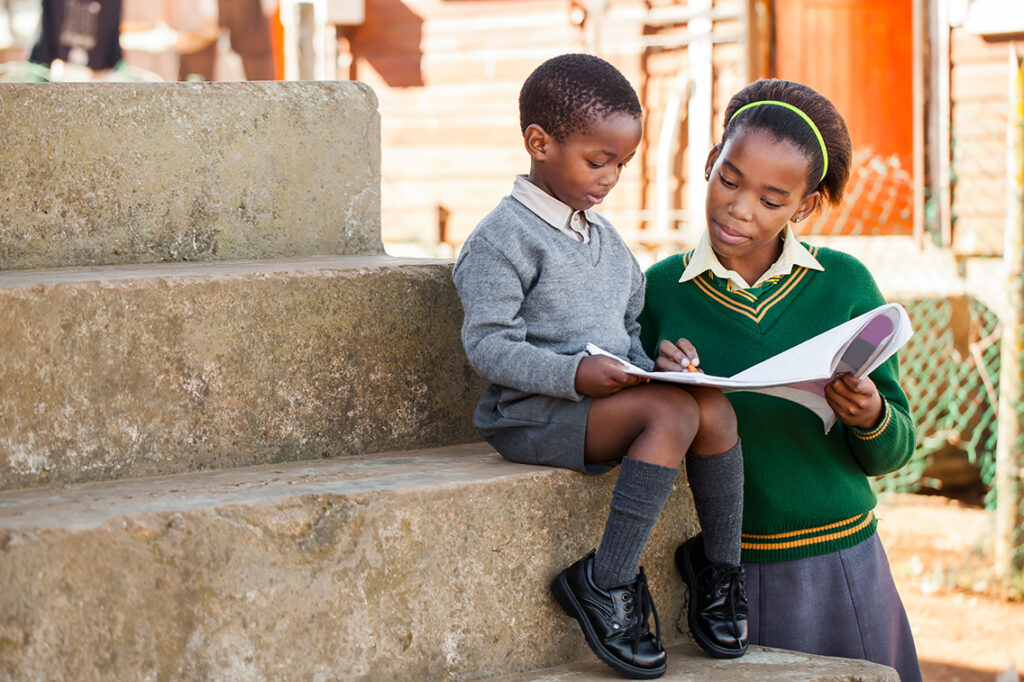
Statistics about education in Africa, at a time when the continent is revelling in optimistic hope, remain very sobering. UNESCO states for example, that Africa is still home to 43% of the world’s out-of-school children, nearly 29 million children of primary-school age are not in school, 54% of them girls, and many will remain out of school as the 2015 Millennium Development Goals deadline approaches.
It is such facts that generate interest about what the Who’s Who of the world will discuss and come up with when they gather to debate the world’s education needs at a prestigious event such as the World Innovation Summit for Education, whose theme this year is “Collaborating for Change”.
The summit will explore how collaboration in many forms and at many levels can become the driving force of efforts to inspire innovation in education and to design long-term strategies for its renewal.
For four years now, WISE has dedicated resources, expertise and know-how, helping build the future of education through innovation. The goal is to expand the global discourse on the pertinent issue around the world, and to find and implement practical and sustainable solutions.
And supporting education projects in Africa has been at the heart of its principles since its inception as a brainchild of its Chairperson, Her Highness Sheikha Moza bint Nasser of Qatar. And indeed education projects from Ghana, Nigeria, Morroco and South Africa, have been some of those that have benefitted as WISE awardees in the past three years.
The WISE Awards, which are given during the summit, identify, showcase and promote innovative educational projects from all sectors and regions of the world in order to inspire change in education. Winning projects, which are selected for their concrete, positive impact upon society, receive global visibility and a prize of $20,000. This year’s Awards went to education projects in Bangladesh, Cambodia, Chile, Denmark, India and the United States of America. The latter being the Cristo Rey Network’s Corporate Work Study Program, which gives low-income American students instruction and support in its high schools, combined with paid work experience in local companies.
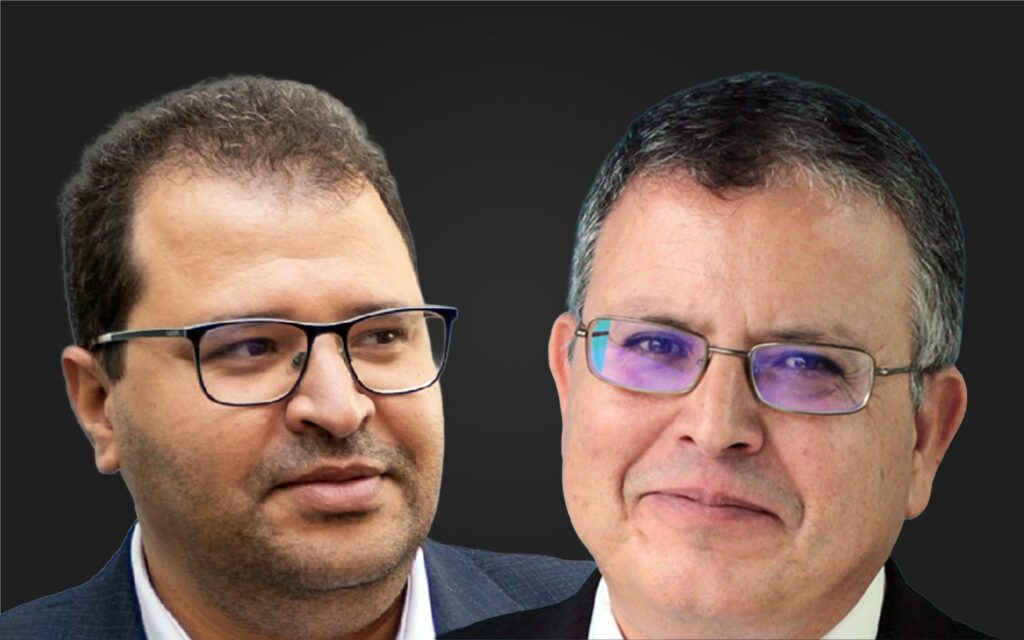
“When determining the best projects, we look at what is being achieved as well as how it is done. This year’s winning initiatives were selected because they are successful, but also because of their innovative approach. These are not ordinary education efforts,” says Sheikh Abdulla bin Ali Al-Thani (pictured left), Chairman of WISE and Chairman of the WISE Awards Jury.
Since its Inauguration in 2009, the WISE Awards have identified, showcased and promoted innovative educational projects from around the world, with 1600 applications received from 128 countries, resulting in 122 finalists and 24 winning projects. The 24 successful projects have come from a variety of countries around the world, including those from Ghana, Morocco, Nigeria, and South Africa, and theirs are initiatives that are progressively building a pool of sound practices which are having a local or global impact on education.
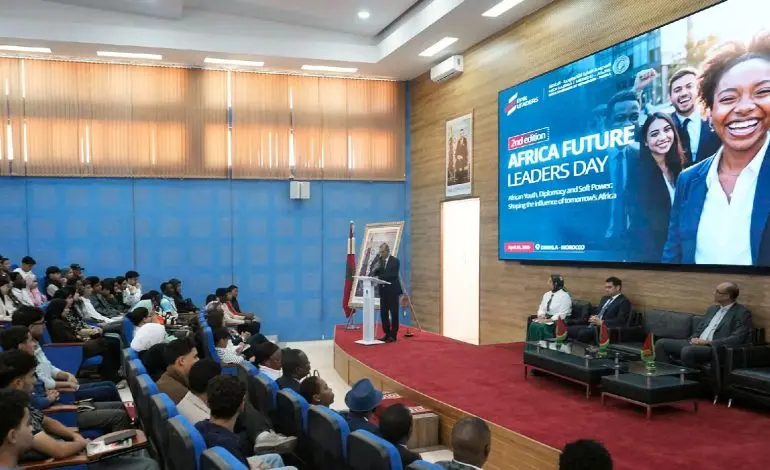
No African project is an awardee this year, but the continent is expected to be widely represented at the summit between 13 and 15 November. Undoubtedly, the summit gives a broad opportunity to all attendees to learn from one another, to listen to experts from different education programmes, as well as to criticise and find a solution to what has gone wrong in the past.
If last year’s summit programme and speakers’ line-up is anything to go by, the expectations this year are even greater. Last year, under the umbrella theme of “Changing Societies, Changing Education”, discussions included the theme “Rethinking education”, under which speakers debated and tackled questions such as: “How do educational strategies relate to other strategies promoting economic and social development?” and “ How can leaders in different sectors strengthen relationships to create more effective policies and hasten progress?” Other areas explored looked at education and change in the Arab world, (following the events of the so-called Arab Spring) and much more. With close to 1200 participants expected in the capital of Qatar, the WISE 2012 programme is set to be even broader and designed to keep them informed and busy.
“In a world where boundaries between countries, cultures and sectors are increasingly permeable, ideas move fast and are capable of inspiring change anywhere and at any time. Our thinking about education and the challenges it faces can benefit from the rapid spread of views and experiences,” says a WISE paper introducing an array of session topics that will be under the spotlight during the three days, which include: “Educating for Our Times”, which will outline collaborative new deals for education, “Breaking Barriers to Innovation” a theme that will question conventional models and look at new approaches to education; and “Building a Learning World”, will discuss a plethora of ideas including how to shape effective learning ecosystems, improving strategies to share success and enhancing institutional process.
With the spirit of the London Olympics still heftily in the air, “Education and Sports” is another important topic that will be examined.
The Editor of our sister publication African Business, Anver Versi, is one of the high-profile moderators at this year’s summit. One of the sessionshe will be moderating will be a debate on the role of sports in education. As a passionate believer in the power of good education and the role every society, particularly in Africa should play in providing educational needs for its own people, he says:
“We have produced outstanding athletes from Kenya, Ethiopia, Nigeria and other African countries. African footballers are now stars in European soccer. But the link between sports and education is still in infancy. This session will discuss how sports in education can create the spirit of teamwork, innovation, goal orientation and promote success in everyday life.”
It is expected that after three days of intense debates, the summit will close on an even higher promising note and that it will lay the foundations of a new, far-sighted vision of education.
Also high on the agenda is the announcement of the winner of this year’s $500,000 WISE Prize for Education – considered the Nobel of education. Its inaugural Laureate last year was Sir Fazle Hasan Abed, Founder and Chairman of BRAC, one of the largest non-government providers of education in the world, contributing directly to the pre-primary, primary and secondary education of more than 10 million young people. It concentrates on bringing education to those who are not reached by the traditional education system.
BRAC’s diverse programmes have reached almost 140 million individuals in 10 countries in Asia, Africa and Central America. Under Sir Fazle Hasan Abed’s guidance those beneficiaries have acquired the tools to improve their lives by, for example, setting up their own micro-businesses, becoming health workers, or teaching generations of children.
The World Innovation Summit for Education has indeed become a powerful initiative and a global reference in new approaches to education. Through both the annual Summit and a range of continuing programmes that it supports, WISE is promoting collaboration and building the future of education.
Many proponents of the WISE initiative may agree with one of its statements: “We face unprecedented global challenges – poverty, conflict, unemployment, inequality, environmental sustainability and others. Education is the route to short- and long-term solutions, yet today’s learning systems are not coping with the task. WISE is a response to the urgent need to address education in a new way. Education is not just a pathway to opportunity; in today’s world it is a passport to inclusion.”