Here are what some powerful voices and a section of our readers have said, for and against the goings-on at the ICC. What’s your view?
 Barack Obama, US President.
As the International Criminal Court announces the names of six suspects alleged to have participated in the post-election violence that threatened to tear Kenya apart three years ago, I encourage all Kenyans to take a moment to reflect on the tremendous progress their country has made since those dark days. Together, you have been working to reconcile your communities, to reform your institutions to better serve the public good, and to put your country on a path to lasting peace and prosperity. Kenya is turning a page in its history, moving away from impunity and divisionism towards an era of accountability and equal opportunity. In pursuit of these goals, I urge all of Kenya’s leaders, and the people whom they serve, to cooperate fully with the ICC investigation and remain focused on implementation of the reform agenda and the future of your nation. Those found responsible will be held accountable for their crimes as individuals. Let the accused carry their own burdens – and let us keep in mind that under the ICC process they are innocent until proven guilty.
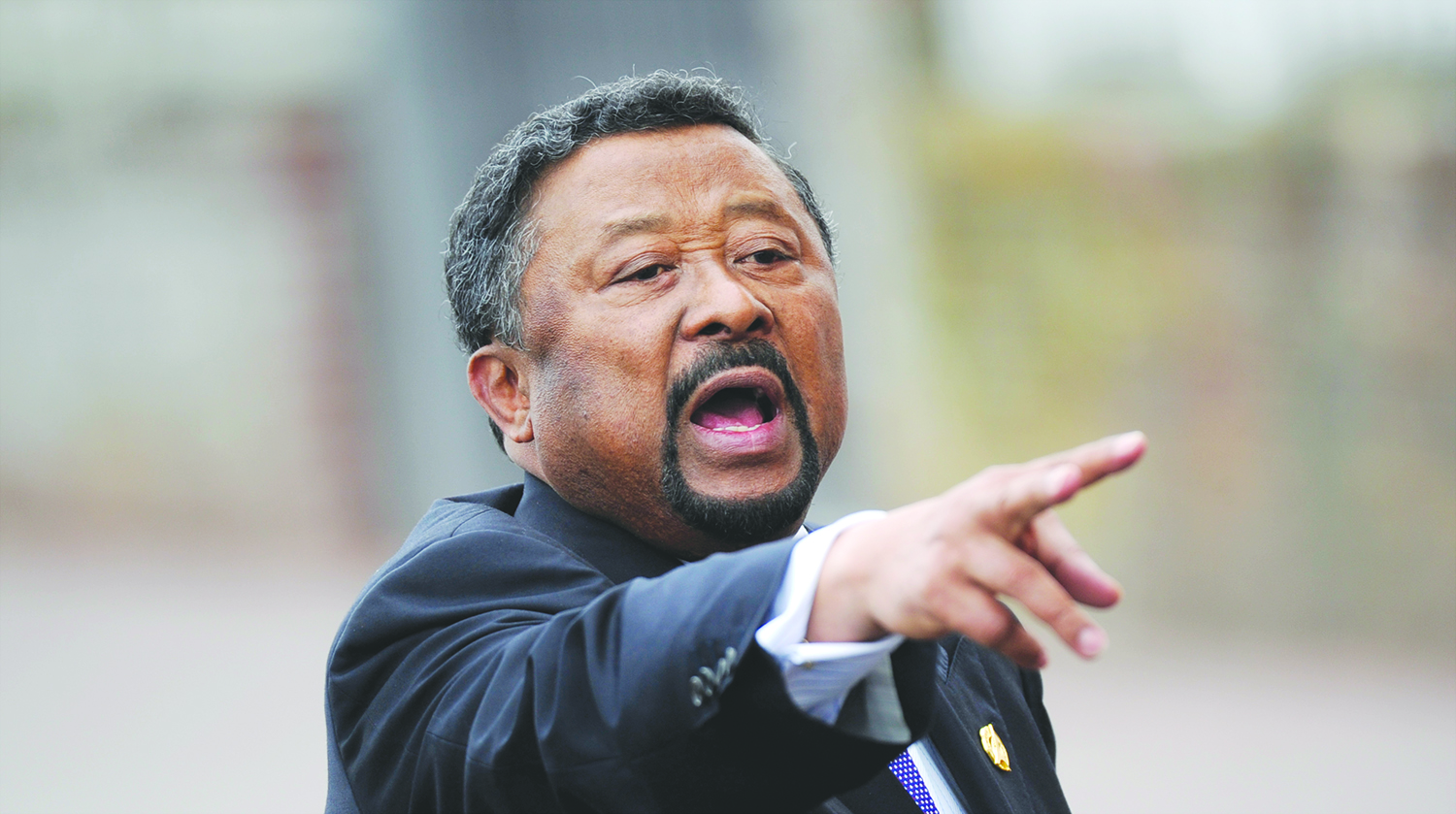
Jean Ping, African Union Commission Chairman
We Africans and the African Union are not against the ICC. That should be clear. We are against Ocampo who is rendering justice with double standards. The ICC’s active cases all target crimes against humanity committed in the African states of Sudan, DR Congo, Central African Republic, Uganda and Kenya. “Why not Argentina, why not Myanmar … Why not Iraq?”
The Coalition for the International Criminal Court
The ICC is not a Western court unfairly focusing on Africa. It is a global court with historically strong African support. It would not be the court it is today without the valuable input, involvement, and support of the majority of African states. The court seeks justice for victims of grave crimes, including African victims; it needs the ongoing support of African governments, civil society, and the public in order to achieve justice. The ICC is an integral and essential part of the fight against impunity all over the world. The ICC’s 10th anniversary is a symbolic milestone that will be celebrated throughout 2012 by all actors involved in the fight against impunity for grave crimes. It is an opportunity to reflect upon the tremendous achievements made in the field of international criminal justice in the past 10 years, as well as a reminder of the urgency for all states committed to justice to ensure continued support for the Rome Statute.
Ian Khama, President of Botswana
Hitting out against a decision by the African Union to oppose arrest warrants issued for the late Libyan leader Muammar Gathafi and other African leaders, he said: This decision is a serious setback in the battle against impunity in Africa and undermines efforts to confront war crimes and crimes against humanity which are committed by some leaders on the continent…Such a move also places Africa on the wrong side of history. It is a betrayal of the innocent and helpless victims of such crimes. I specifically note with regret that at the summit held in Malabo, Equatorial Guinea, in June 2011, the African Union formally decided not to co-operate with the ICC over the indictments and arrest warrants against some leaders. We need to have the political will and the moral courage to hold accountable, without fear or favour, anyone in authority – including a sitting head of state – when he or she is suspected of having committed crimes against innocent people.
Jerry Rawlings, Former Ghanaian president
It is simply humiliating that in the 21st century our continent finds some of its leaders hounded to The Hague like lambs to the slaughter, while we are supposed to have the capacity to judge our own. We have to leave The Hague to those who cannot control their destiny. If Libyans were justified in overthrowing the Gathafi regime in their quest for freedom and justice, why then can they not try their own?
[And] If Ivoirians are truly seeking peace and reconciliation, a process agreed by both the Ouattara and Gbagbo factions, why then send a former leader who in spite of his faults has paid his dues to his country, to the ICC? After fifty years of independence, Africa should have all the know-how to bring justice to its own citizens and do away with imported justice.
No one is trying to evade justice. But when such justice is drenched in a sea of humiliation and abuses, so as to be governed by self-righteous hatred with its untenable logic, it only befits human conscience to stand up against it for the good of all. We have and have had faulty leaders but we have enough good and progressive leaders… the time has come to stop being observers but active participants in the changing scenes of the continent. We stand in danger of allowing a new form of colonialism to engulf our continent, enslaving us into puppets of the international community. Let us combine our efforts to take a strong stance against such a looming threat.
Paul Kagame, President of Rwanda
The ICC has been put in place only for African countries, only for poor countries. Rwanda cannot be part of colonialism, slavery and imperialism.
Hillary Clinton, US Secretary of State
Whether we work towards joining or not, we will end hostility towards the ICC and look for opportunities to encourage effective ICC action in ways that promote US interests by bringing war criminals to justice.
Dov Jacobson, Assistant professor in international law and international criminal law at Leiden University
I broadly share the enthusiasm of a number of commentators, on the choice of Fatou Bensouda as ICC prosecutor. In the few times I have met her, she has come across as thoughtful and pleasant, and seems to have a decidedly less “gritty” style than her soon-to-be-predecessor. But I do have some lingering concerns. I don’t think we can just brush under the carpet the fact that she has worked with Luis Moreno Ocampo for the past 8 years. I’m not entirely convinced that the general rhetoric of having an African prosecutor is convincing. I don’t see how the criticism of the ICC being an “African court to prosecute Africans” is addressed by the designation of Bensouda. This will just be an “African court to prosecute Africans by an African”.
Lord Aikins Adusei, Blogger
War crimes and crimes against humanity are crimes no matter where they are committed and no matter who commits them, but for the ICC and Luis Moreno-Ocampo these become crimes only when they are committed in Africa and by Africans. The arrogance with which Moreno-Ocampo makes his case is a semblance of the practices of the colonial and the post-colonial order where Euro-Americans like Cecil Rhodes and [German war general] Von Trota committed heinous crimes in Africa and around the world and never accounted for them.
When we say colonial and Cold War crimes, we are talking about the thousands of Kikuyus in Kenya who were killed or imprisoned by the British in the 1950s. We are also talking about the French criminality in Algeria in the 1960s that resulted in tens of thousands of deaths.
We also mean the slaughtering of Angolans and Mozambicans by Portuguese forces in the 1970s. We mean the 1904 German genocide and enslavement of the Naqua and Herero people of Namibia; the forceful seizure of the native lands by Germans and later white South Africans, the effect of which continues to affect the black population today. When we say colonial and postcolonial crimes we are also talking about King Leopold II and Belgian atrocities against the people of Congo in the 1900s. We are referring to the apartheid policies in South Africa, which were strongly supported by the United States and the Netherlands, on whose territory the ICC is now headquartered.
The people of Africa know they cannot get justice from the ICC because its terms of reference have been deliberately downgraded to protect Euro-Americans from the appalling treatment of Africans during and after colonialism.
Africans do not reject or dispute the allegations against, and welcome the prosecution of, African leaders who have mistreated, killed, looted and mismanaged their countries. However, as long as Blair and Bush and the warmongers in Washington continue to live their life outside prison, whatever the ICC does, is nothing more than a mockery of justice.
Zaya Yeebo, Programme manager at Amkeni Wakenya
In the case of the Kenyan indictees, I cannot help but feel that this is more about the impending election (2012 or 2013), than about justice for victims. The idea that shipping Kenyans (Africans) to join the already high number in The Hague is somehow the best way to achieve justice does not appeal to me. My position will be the same if these were Libyan, Nigerian, Ghanaian or Ugandan. I believe that Africa has come of age to settle its own problems. I believe that neither the US nor British governments will subject their citizens, especially, young, intelligent and committed politicians, to the sort of humiliation that the Kenyans are being subjected to in the name of fighting impunity.
The ICC has time and time again proven that it is beholden to countries that are not even signatories to the Rome Statute such as the United States, but as Africans, we have made ourselves vulnerable to this process. Why do we allow this to happen?