Over recent months, the ‘Windrush scandal’ has engulfed British politics, forcing the resignation of the Home Secretary. It is a major victory for black British politicians, who are starting to carve out a strong platform for themselves. By Clayton Goodwin
There are few times, if any, when African / Caribbean politicians in the House of Commons have been tested as rigorously as they have over the past few weeks, and they have stood up to the challenge splendidly.
They cannot be regarded now as toothless, token or irrelevant. David Lammy and Diane Abbott, in particular but not alone, put such pressure on Amber Rudd, the Home Secretary, that she has had to resign and they have given her predecessor in office, Theresa May, the present Prime Minister, such a battering as to expose the government’s confusion and cross-dealing.
The combination of politicians and press has brought a widespread scandal, which might otherwise have been swept under the carpet, to public attention.
The bone of contention has been the treatment of people, and here we mean primarily black people, who arrived in the UK with full British citizenship but have been caught apparently offside by the draconian immigration measures introduced by May when she was Home Secretary.
It has become known as the Windrush generation scandal. The Empire Windrush was the ship which brought the first consignment of West Indian immigrants to these shores, an event now recognised as the starting point for mass non-white immigration into the country.
The 70th anniversary of its docking at the port of Tilbury on 21 June 1948 is celebrated this month. Over the years the term “Windrush generation” has become short-hand for all black immigration then and in the immediately ensuing years.
The current crisis was sparked by an article in the Guardian newspaper, which New African took up in its March issue. It explained how 61-year-old Paulette Wilson had been threatened with immediate deportation to Jamaica, the island of her birth, after living all her adult life, working and paying taxes, in the UK.
Parliamentarian Kate Osamor, whose parents came from Nigeria, brought attention to similar cases. Very soon it became obvious that this was a nationwide scandal which affected elderly black people who had arrived in England as children when their parents and families answered the invitation of the British government to help rebuild the country after the destruction caused by the Second World War.
Hostile environment for immigrants
At the time the newcomers did not need passports to be accepted as British citizens, but the law was changed subsequently without those here realising that it applied to them.
Now, if these pioneers cannot produce written evidence of their right to be in the country, they face loss of employment, deprivation of healthcare, housing and employment, pensions, separation from their families and even deportation.
These are the very services and social structures which they, themselves, had helped to build with their own hands. The severe laws which Theresa May had introduced to absorb the wave of populist anti-immigrant rhetoric generated by the right-wing press and the then expanding United Kingdom Independence Party (UKIP), was intended to create a ‘hostile environment’, as she said, for illegal immigrants.
The words of politicians and actions of overzealous bureaucrats also swept up those who had every right to be here – especially if they happened to be black.
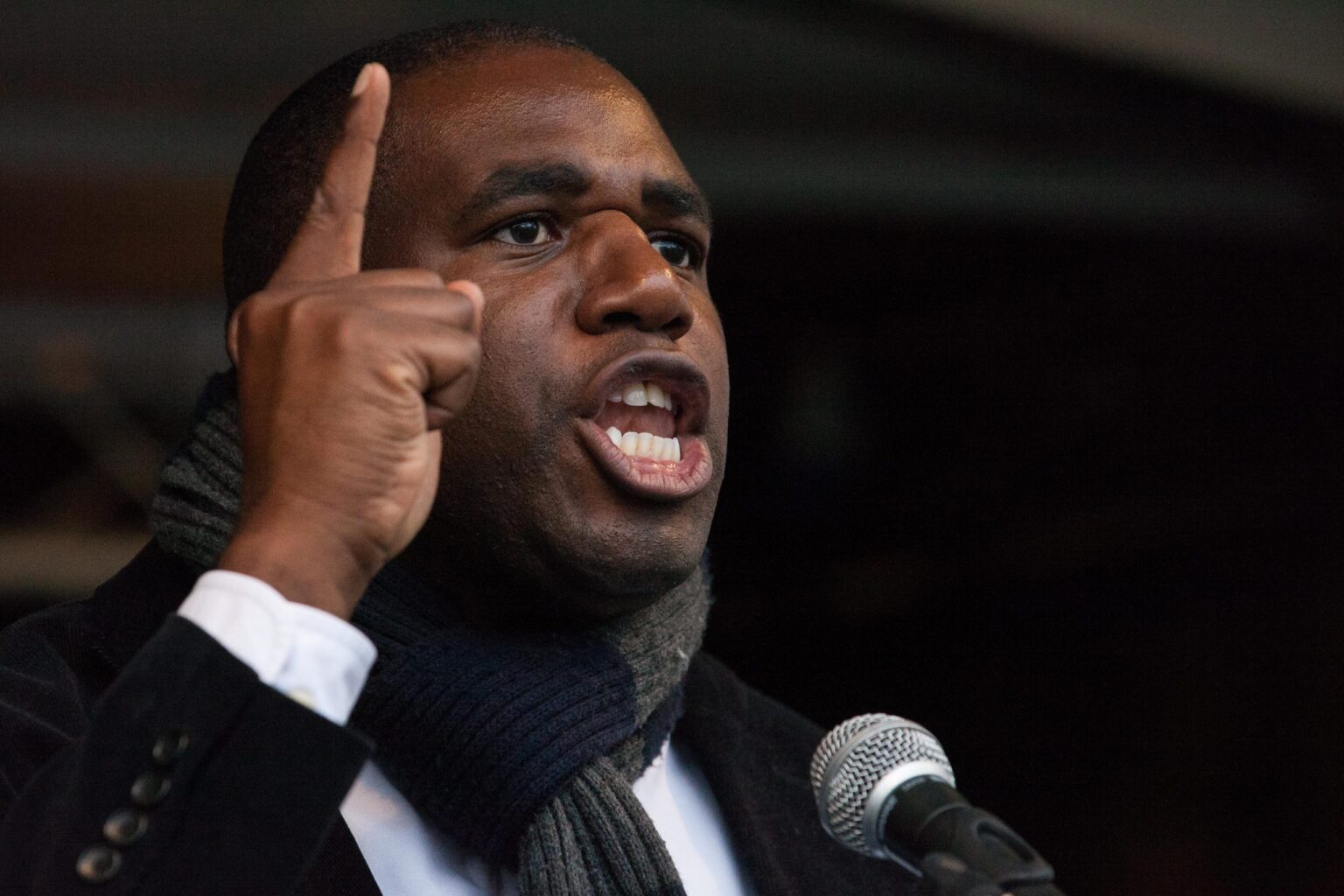
David Lammy, the MP for Tottenham in North London, whose own parents had arrived from Guyana in the Windrush generation, took up the challenge. Speaking to Parliament and the media with barely restrained emotion, he referred to a “day of national shame”.
The term resonated with the public. The vigour of the sympathetic response wrong-footed government ministers who tried to blame officials, then apologised, but could not stem the tide of resentment at the injustice. Here was the first time I can remember that the Establishment was humbled by an outrage that started in the black community and was led by African / Caribbean politicians. It is unlikely to be the last.
Lammy has come a long way since, as a ‘bright young man’, he was promoted too early in his Parliamentary career to Tony Blair’s cabinet. Now from the back benches, he has matured into a seasoned tribune of the people who has been savvy enough to avoid, so far, the ‘soundbite’ traps laid by the media.
Lammy has already led the protest over last year’s Grenfell Tower fire tragedy, in which he lost a close friend, and he is already the most prominent proponent in the current campaign against the tide of knife crime among the African / Caribbean community in London.
He has introduced passion, in place of platitude, into political expression. I can remember him well some 20 years ago, handing out leaflets personally and alone at train stations when he first sought election to the House of Commons, and he still has his feet planted in the neighbourhood.
Diane Abbott has been similarly at the forefront of the quest from the Opposition in Parliament, and at public meetings, for clarity on the issue, as well as charity. She is a survivor from the first ‘intake’ of black MPs in 1987.
As Shadow Home Secretary, Diane has often appeared to be pedestrian compared to her more confident counterparts on the other side of the House. This time she has had to do little more than carry on being herself while they have squirmed in discomfort.
For once the tide of media opinion has been on her side as Abbott and her colleagues have argued against what the New European newspaper called in a powerful front-page headline, ‘Cruel Britannia’ (a parodic reference to the patriotic anthem, ‘Rule Britannia’).
Formidable trio of influence
Dawn Butler, who like Diane was born in London to Jamaican parents, has formed with her and Lammy a formidable group of MPs from North London. She is the Shadow Minister of Women and Equalities and was co-founder last year of the cross-party Parliamentary Black Caucus.
Dawn comes over as being human and reassuring in day-to-day non-political television programmes. The emergence of experienced front-line black politicians means that the media need no longer resort to the usual self-appointed “representatives of the community” who have previously muddied the waters.
The recent upsurge in racial intolerance and nationalist expression – creating the ‘hostile environment’ – has derived from the Brexit referendum two years ago. Parliamentary opposition to the oncoming withdrawal from the European Union has taken a long time to find its feet, mainly through fear of the formidable denunciation by the right-wing press.
However, it has crystallised now under the cross-party co-leadership of Chuka Umunna, who has a Nigerian father. Since he decided not to contest the leadership of the Labour Party when it last fell vacant, for which he had been among the considered favourites, Umunna has been seen less frequently on television, been touted less as the ‘British Obama’, and has been all the better for it.
If he can pull off this near impossible task of preventing the United Kingdom from slithering into isolation, Chuka will have good reason to be considered a politician of national significance.
The downfall of Amber Rudd has had an unexpected side-effect on the political ethnic balance. Her successor, Sajid Javid, the son of a Pakistani bus driver (in which, he is similar to Sadiq Khan, the Mayor of London), is the first non-white child of immigrants to hold one of the three highest offices of state (after Prime Minister) -–namely, Home Secretary, Chancellor of the Exchequer and Foreign Secretary.
As he said shortly before his appointment, Sajid, himself, and his parents could have been of the Windrush generation discriminated against. This issue has changed the face of British politics, which would not have come about if it were not for an enterprising journalist and Parliamentarians who were prepared to stand up and be counted. NA