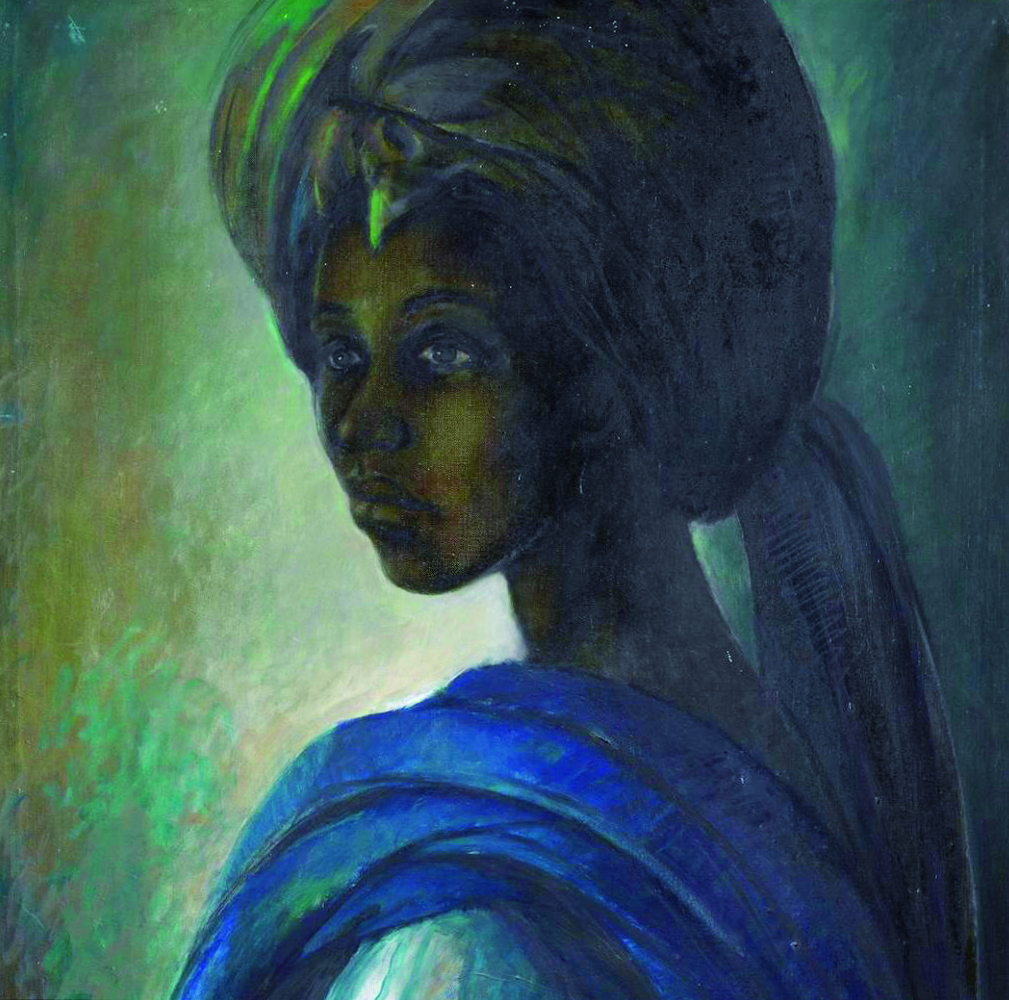
In association with 1-54 Contemporary African Art Fair.
In past years, the so-called ‘boom of contemporary African art’ has been on everyone’s lips.
African art may not have emerged on the international art scene with a bang, however over the last decade there has been a steady increase in international interest towards contemporary art coming from the African continent. From recognised museums expanding their collections, to galleries in Paris, London, Berlin and New York diversifying their rosters with more artists coming from Africa and its diaspora, to the ascent of specialised art fairs and departments in auction houses, African art has progressively gained more prominence all over the world.
Before it catapulted to trend status on the global art circuit, the continent’s multi-layered artistic landscape was reserved for a relatively local and exclusive audience. Thriving through artist residency programmes and studios, commercial platforms, non-profit organisations and art schools, the African art scene was rich, yet lacked adequate international visibility.
With the launch of 1-54 Contemporary African Art Fair, the first specialised fair on the international market, a new door opened for African art to reach wider audiences and for Western audiences to be exposed to new perspectives. In 2013, when 1-54 launched in London, the global art scene was already becoming a fertile ground for contemporary African art. With the first sale at Bonhams of modern and contemporary African art, in its Africa Now Auction (2009), newly formed galleries across the city, such as Tiwani Contemporary, Jack Bell Gallery and 50 Golborne, and the establishment of the African Acquisition Committee at Tate (2012), London proved to be the perfect trampoline for 1-54.
As international museums began to actively address the shortcomings in their acquisitions and programmes, a rolling series of key events propelled more contemporary African artists into the public eye. Ibrahim El-Salahi: A Visionary Modernist (2013) and Marlene Dumas: The Image as Burden (2015) were two highly celebrated monographic exhibitions at the Tate Modern. In 2015, the 56th Venice Biennale curated by Okwui Enwezor showcased an unprecedented number of African artists, 21 out of 130. That year, 1-54 launched its second location in New York. Art Basel programmed panel discussions with a focus on contemporary African art and exhibited more artists from Africa and its diaspora. Following a similar trajectory, in 2016 the Armory Show in New York initiated a new component, ‘Focus: African Perspective’ and, a year later, Art Paris art fair put African artists in the spotlight.
On the African continent, the opening of new contemporary art galleries modelled on Western-blockbuster galleries (Galerie Cécile Fakhoury in Abidjan, Addis Fine Art in Addis Ababa, Gallery 1957 in Accra and Art Twenty One in Lagos) set in motion a growing trend of local art initiatives. Art fairs such as FNB Joburg Art Fair, Art X Lagos and Cape Town Art Fair were established and a rapid development in recurring art events across the continent (Lagos Photo Festival and Addis Foto Fest among many others) fostered the interest of African collectors and international buyers, galleries and press. Additionally, the opening of Zeitz MOCAA in Cape Town in 2017 and Musée d’Art Contemporain Al Maaden (MACAAL) in Marrakech a few months later, also brought a new wave of attention to the continent. These institutions attracted targeted audiences to South Africa and Morocco and endorsed a renewed interest in African art. Similarly, established events such as Les Rencontres de Bamako, La Biennale de Dakar and La Biennale de Marrakech collaborated with recognised curators (Bisi Silva, Simon Njami and Reem Fadda) for their 2016–18 editions, thus appealing to new visitors and drawing international exposure.
The market has responded to this rising interest with international art fairs welcoming more African galleries and with a growth in the trade of artworks by African artists on the secondary market. Auction houses such as Piasa (Paris) and Sotheby’s (London) expanded with new modern and contemporary African art departments and are progressively increasing the frequency of sales. The first contemporary African art sale at Sotheby’s in 2017 and the first dedicated evening sale at Bonhams in February 2018 pushed the value of works to record numbers.
With the expansion of 1-54 across three continents with its inaugural edition in Marrakech earlier this year, the fair also contributed to meeting the growing demand for contemporary African art. The higher interest resulted in a rapid increase in the valuation of artworks traded at the fair; in 2013, artworks were valued around $1,000-$5,000 and now, six years later, values have increased to the $10,000-$30,000 mark. Artists such as Ibrahim Mahama, Omar Victor Diop, Aboudia, Derrick Adams and Njideka Akunyili Crosby, amongst many others, have become world-renowned names, entering the stables of larger galleries such as White Cube, Galerie Templon, Victoria Miro, etc. However, according to the 2018 Art Market Report published by Art Basel and UBS Bank, Africa still only accounts for a small fraction of the art market’s value, making up less than 4% of the total $63.7bn of global art sales.
Looking forward it is certain that as more African artists enter the roster of big international galleries, and as specialised galleries both on the continent and abroad continue to practice sustainably, the market will see a steady rise in the value and dissemination of artworks. It is to be imagined that this will push collectors and museums to expand their collections and offer more opportunities to African artists and curators. The contemporary art market will also hopefully mirror this increased exposure by encompassing works by artists from Africa and its diaspora without the need to qualify them as African.